Good Dental Implants for Seniors
This guide delves into the growing trend of good dental implants for seniors, offering a durable and effective solution for missing teeth. As individuals age, maintaining oral health becomes crucial not just for well-being but also for ensuring quality nutrition and overall health. Dental implants provide an alternative to traditional dentures, promising improved stability and comfort for seniors.

Understanding Good Dental Implants for Seniors
As the population ages, the demand for effective dental solutions like good dental implants increases. These implants provide a reliable alternative to dentures, offering benefits such as improved chewing efficiency, enhanced speech, and a more natural appearance. Unlike removable dentures, dental implants are designed to mimic the function of natural teeth, providing stability and comfort for seniors. The advances in dental technology have made implants more accessible and easier to integrate, making them a preferred choice for many older adults.
Why Seniors Prefer Good Dental Implants
Seniors often face unique dental challenges, including bone loss and receding gums, which can significantly impact the effectiveness of traditional dentures. Good dental implants offer a more stable solution as they are anchored into the jawbone, which also helps in preventing further bone loss. This attribute makes them particularly appealing to older adults seeking a hassle-free and enduring solution. Moreover, the psychological benefits of having natural-looking teeth that function well without the concern of slippage or discomfort can greatly enhance their quality of life.
Additionally, many seniors value the freedom and confidence that comes with implants. Gone are the days of worrying about embarrassing situations that might arise from ill-fitting dentures. With dental implants, seniors can eat, laugh, and engage socially without the constant concern of their dental prosthetics failing them.
The Procedure for Getting Good Dental Implants
The process of receiving dental implants typically involves several steps, each crucial for the success of the procedure:
- Initial Consultation: During the first appointment, the dentist assesses the patient's oral health through X-rays and detailed examinations. This assessment is vital to determine the sufficiency of bone density to support an implant and to discuss the suitability of implants versus other options like bridges or dentures.
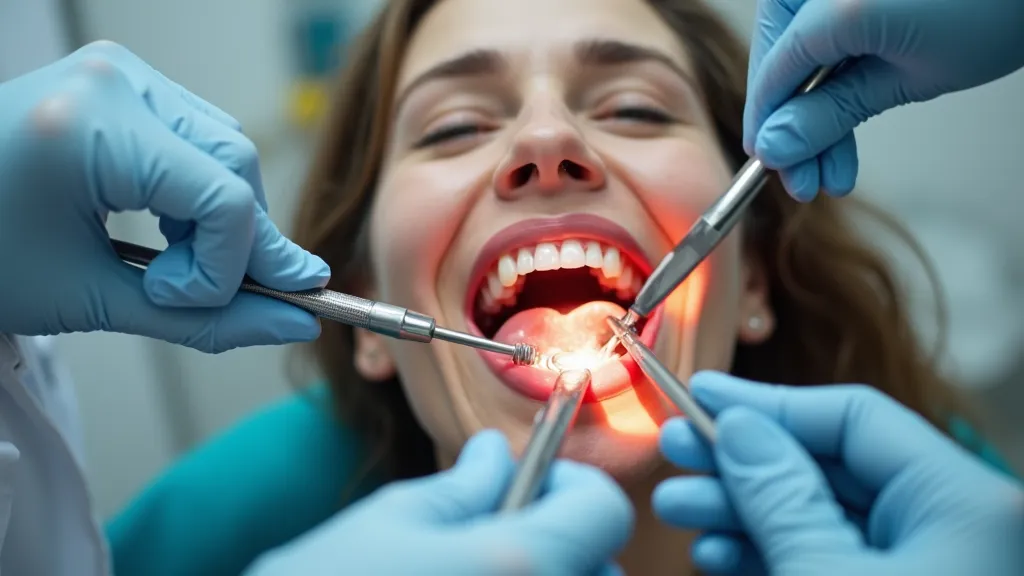
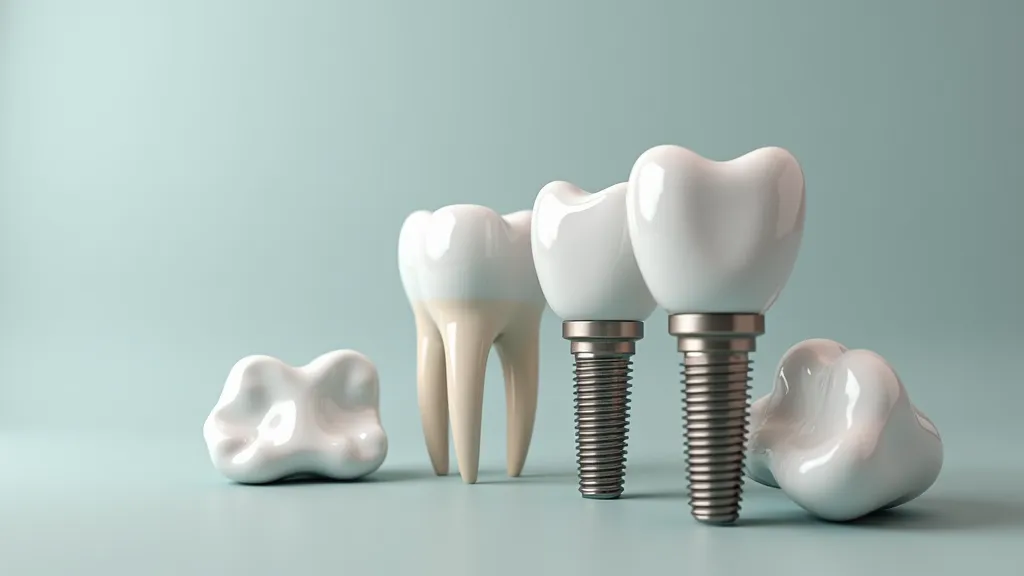
- Surgical Procedure: Implants are surgically placed into the jawbone during a minor surgery, which can be conducted under local anesthesia or sedation. After this procedure, a healing period of several months is required to allow osseointegration, where the bone fuses with the titanium implant.
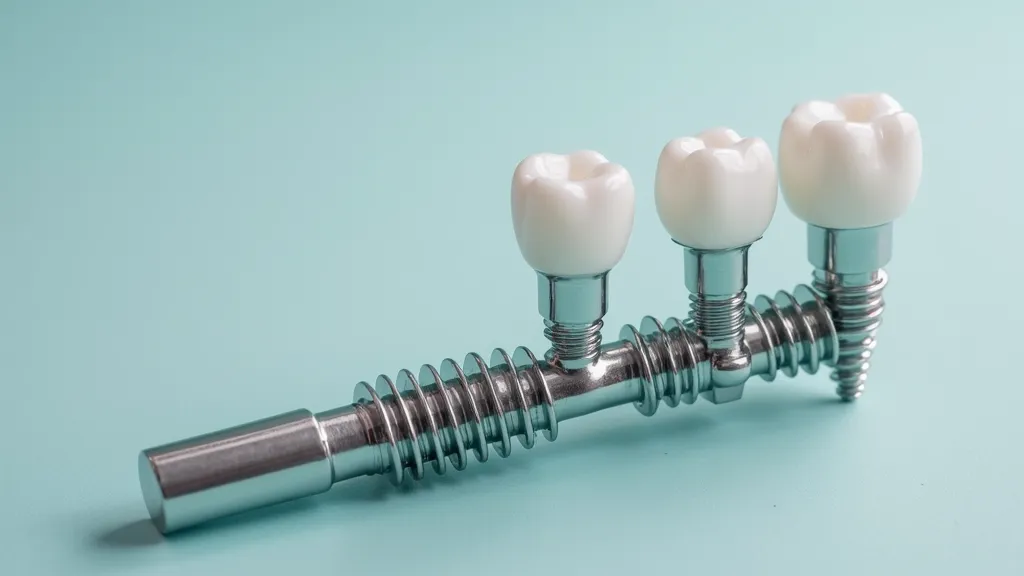
- Abutment Placement: The next step involves attaching an abutment to the implant. This small connector supports the crown and is usually placed after the implant has properly integrated with the jawbone. It may require a minor surgery if the abutment is placed under the gum line.
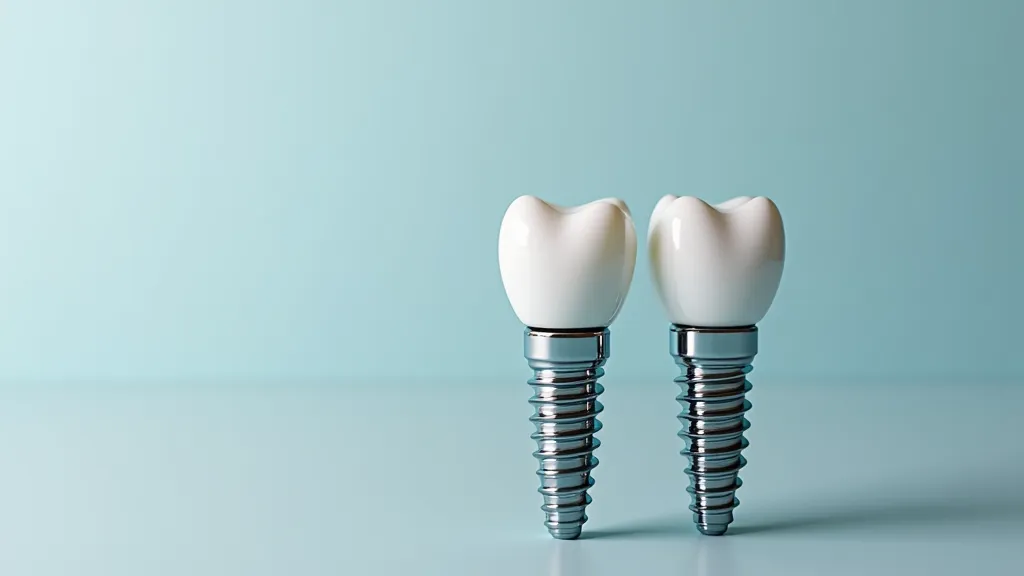
- Prosthetic Attachment: Finally, a custom-made crown is designed and attached to the abutment, completing the dental restoration process. These crowns are crafted to match the shape, size, and color of the natural teeth, ensuring that they blend seamlessly into the patient's smile.
Each step is critical to ensure that the implants function properly and align aesthetically with the rest of the teeth. Post-operative care and follow-up visits are equally important, as they help monitor healing and ensure the success of the implant.
Comparing Costs Across Different Regions
Healthcare expenses, including dental implants, vary significantly depending on geographic location. Here is an overview of dental implant costs in several English-speaking countries:
| Country | Price Range |
|---|---|
| United States (US) | $3,000 - $6,000 USD |
| United Kingdom (GB) | £2,000 - £2,500 GBP |
| Australia (AU) | AU$3,500 - AU$6,500 AUD |
| Canada (CA) | CA$3,000 - CA$5,500 CAD |
For seniors looking to reduce costs, several options are available:
DentaVacation: This service promotes affordable dental tourism, which offers cost comparisons and travel arrangements for those willing to travel for their implants, potentially resulting in significant savings. Many seniors have found success in traveling to countries where dental care is both high-quality and more economical. Visit DentaVacation for more information on destinations and healthcare providers.
ADHP (American Dental Health Plans): Offers dental insurance plans specifically tailored to minimize out-of-pocket expenses for seniors. They provide various coverage options, including those that include implants. More information can be found on their website.
How Seniors Can Access Low-Cost Dental Implants
To acquire dental implants cost-effectively, seniors can take advantage of several strategies:
- Research: Thoroughly explore dental care providers, both locally and abroad, to find competitive pricing. It’s important to check reviews and verify the credentials of the providers to ensure quality care.
- Consultation: Attend multiple consultations to gauge the practices' pricing structure and ask about available discounts or financing options. Some dental offices may offer promotional rates or payment plans that can make the costs more manageable.
- Insurance Plans: Enroll in dental insurance plans that offer coverage for implant procedures. Many insurance companies have begun to include implants in their plans, so it's worthwhile to inquire about network dentists to maximize benefits. Additionally, some dental schools offer implant services at a reduced rate, providing care under the supervision of experienced faculty.
- Consider Dental Tourism: As mentioned, traveling abroad for dental procedures has gained popularity due to the reduced costs. Countries such as Mexico, Costa Rica, and Hungary offer high-quality dental care at a fraction of the price found in the U.S. or Europe.
- Look for Community Programs: Many communities offer programs for seniors that provide subsidized dental care—including implants—through local health departments or dental schools. These programs can significantly reduce the financial burden associated with dental procedures.
FAQs
- How long do dental implants last? Properly maintained implants can last many years, often a lifetime. The durability of implants depends on various factors, such as oral hygiene, lifestyle, and regular dental check-ups, but patients generally see a lifespan of 10 to 30 years or more when properly cared for.
- Are there any dietary restrictions after getting dental implants? Initially, a soft diet is recommended post-surgery to avoid discomfort as the implants integrate with the jawbone. However, once healed, implants function similarly to natural teeth, allowing patients to enjoy a wide variety of foods without restrictions.
- What is the success rate of dental implants in seniors? Success rates for dental implants in seniors are generally high, exceeding 90%, assuming there are no pre-existing health conditions, such as diabetes or osteoporosis, that could interfere with the jawbone's ability to integrate with the implant. Regular dental follow-ups are essential to monitor implant health.
- Can anyone get dental implants? While most people with healthy gums and adequate bone density can get dental implants, certain health conditions may affect eligibility. Conditions like uncontrolled diabetes, cancer, or autoimmune diseases can complicate the process. A thorough medical evaluation is essential to determine candidacy.
- What are the risks and complications associated with dental implants? Though considered safe, potential risks include infection, nerve damage, and sinus issues. However, these complications are rare and can be mitigated through proper planning and skilled surgical techniques.
Disclaimer: The above information comes from online resources, and the data is as of October 2023. Dental implant prices are for reference only and may vary by region, clinic, and doctor. It's crucial to obtain a personalized estimate based on individual needs during consultations.
For additional information about providers and services, visit the mentioned websites:
Source:
Future Perspectives on Dental Implants for Seniors
As medical and dental technologies continue to advance, the future looks promising for dental implants, particularly among the senior population. Innovations in materials and techniques are making procedures less invasive and recovery times shorter. For instance, advancements in 3D imaging and computer-aided design make it easier to plan surgeries with precision and predict outcomes more accurately.
Furthermore, the development of biocompatible materials continues to enhance the integration of implants with bone, resulting in improved success rates and longevity of the implants. New forms of surface treatments on the titanium implant will help to encourage faster healing and greater stability once the implant is placed. These improvements not only benefit seniors but also instill confidence in dental professionals handling implant procedures.
Biological research is also leading to breakthroughs in tissue engineering, where scientists are developing new approaches to regenerate bone or gum tissue that may be lost due to periodontal disease or age-related conditions. This could mean that more seniors will be eligible for implants, even those who previously thought they did not have enough bone density.
As oral health is increasingly recognized as an essential component of overall health, public awareness around the importance of dental care for seniors is growing. Many healthcare professionals advocate for routine dental check-ups and maintaining dental hygiene to prevent problems before they arise. Educational campaigns focused on dental health for older adults are becoming more prevalent, ensuring that seniors understand their options and the benefits of procedures like dental implants.
In addition, access to dental care is improving as more insurance plans begin to cover implants or offer better financing options. With this progress, it is expected that more seniors will benefit from the advantages of dental implants, ultimately leading to an enhancement in their overall quality of life.
Through the collective efforts of the healthcare and dental industries, as well as the increasing interest from patients, good dental implants are set to become a mainstay in elder dental care, delivering reliable, effective, and aesthetically pleasing solutions for tooth replacement.