Comprehensive Guide to Dental Implants for Seniors
This guide explores good dental implants for seniors, emphasizing their benefits and cost-effectiveness. Good dental implants, a notable solution for tooth loss in seniors, provide durability and improved oral functionality. This article thoroughly examines the implant process, options to achieve affordable care, and the vital role of expert consultation in English-speaking countries.
Understanding Good Dental Implants
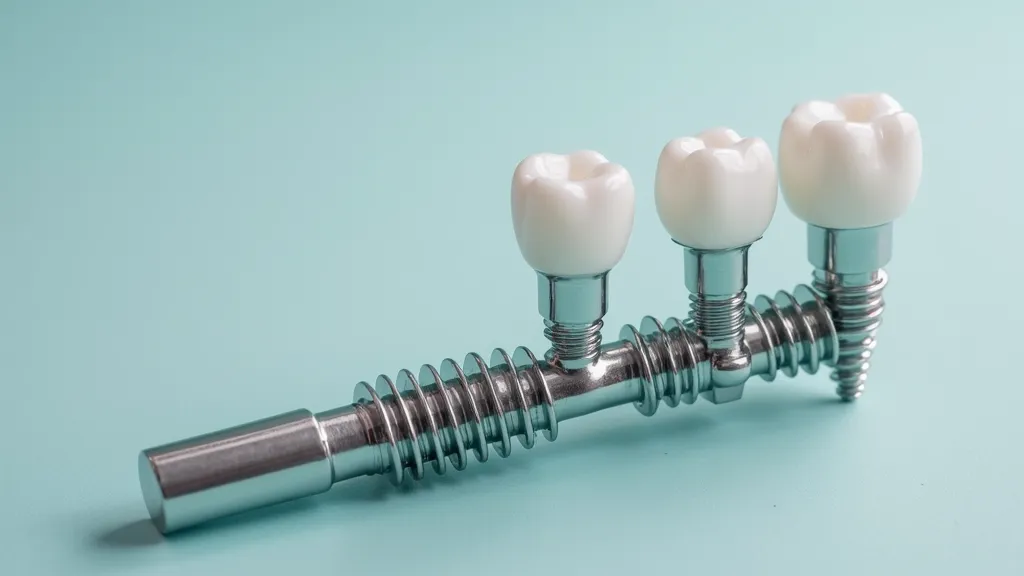
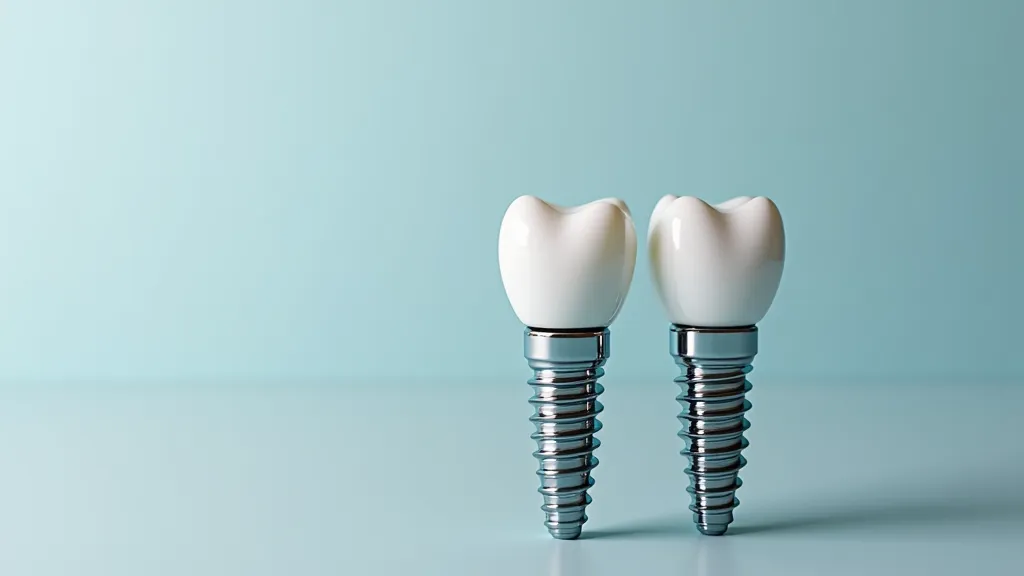
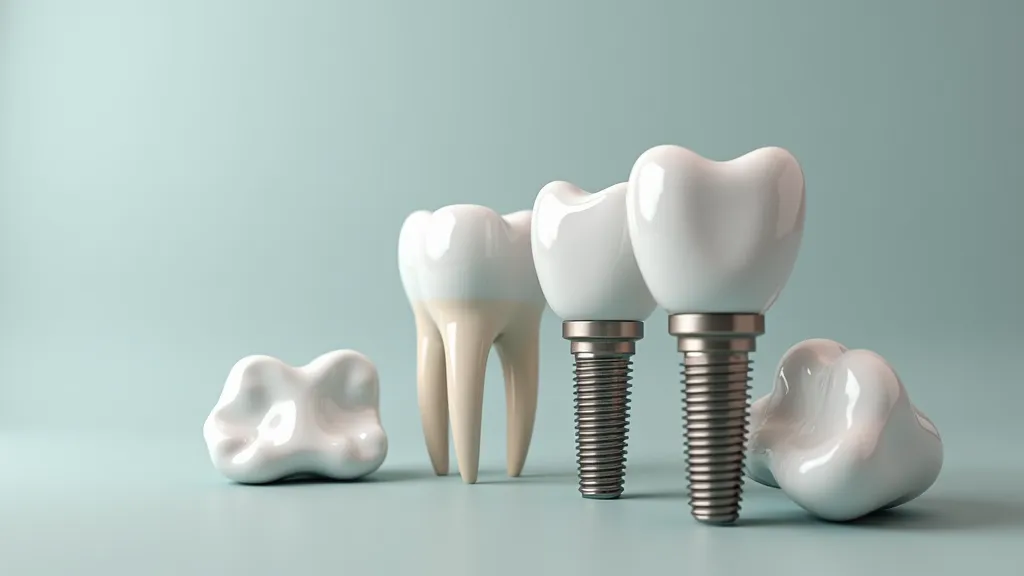
Good dental implants have revolutionized dental care, offering a robust and lasting solution to tooth loss, a common issue among seniors. These implants serve as artificial tooth roots, providing a secure foundation for fixed or removable replacement teeth. Designed to mimic natural teeth, they not only enhance oral functionality but also improve aesthetic appeal and self-confidence. Moreover, dental implants prevent bone deterioration and preserve facial structure, which often declines with age and tooth loss.
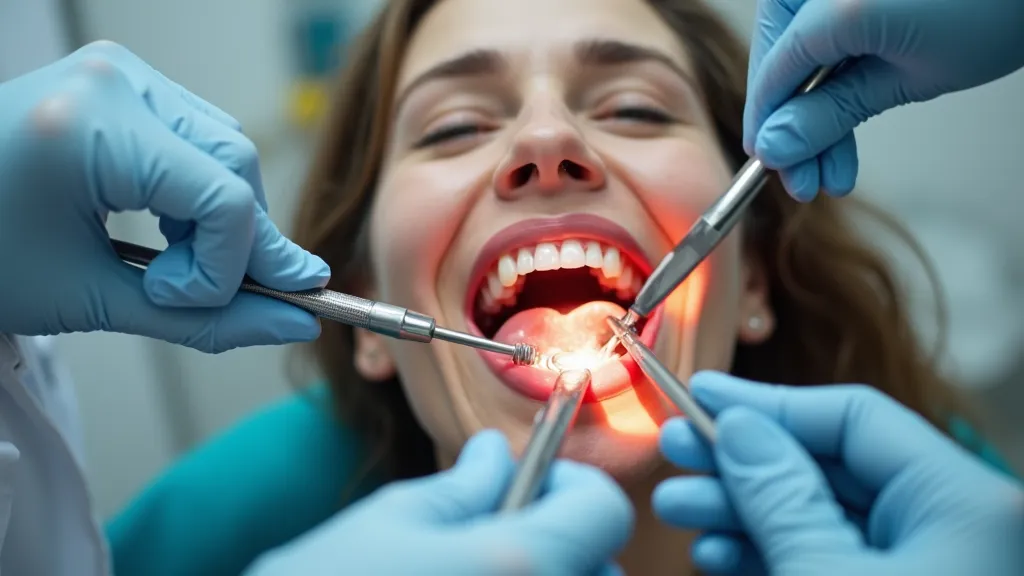
Dental implants are typically made of titanium, a biocompatible material that integrates well with bone tissue, ensuring long-term stability. The process of placing dental implants involves several stages, beginning with a thorough assessment of the patient's oral health and bone density. This critical evaluation ensures that the patient is a suitable candidate for the procedure. Once qualified, the implant placement surgery, which is usually performed under local anesthesia, involves the surgical insertion of the titanium post into the jawbone. Over the next few months, the bone integrates with the implant in a process known as osseointegration, laying a strong foundation for the replacement teeth.
The Growing Importance for Seniors
Seniors, as a demographic, face unique dental challenges. Tooth loss, whether due to decay, gum disease, or injury, affects a significant percentage of the elderly population. According to the National Institute of Dental and Craniofacial Research, nearly 20% of seniors aged 65 and older have lost all their teeth. Implants offer a compelling alternative to traditional dentures, which may not always fit comfortably or provide the same level of function. Unlike dentures, which can shift and cause discomfort, implants remain securely anchored in the jaw, allowing for normal eating and speaking without worry.
Notably, implants help maintain jawbone integrity, an essential factor in preventing further dental issues. When a tooth is lost, the bone that surrounds the tooth's root is no longer stimulated, leading to bone loss over time. This change not only affects the appearance of the face but can also lead to additional tooth loss. Dental implants mitigate this risk by stimulating the bone through the titanium post, preserving both structure and density. Furthermore, the success of dental implants can be enhanced through a proper diet rich in vitamins and minerals that support oral health, and regular dental check-ups ensure that any issues are promptly addressed.
Cost Considerations and Low-Cost Solutions
The cost of dental implants varies widely, often influenced by geographical location, clinic expertise, and specific patient needs. While the initial investment in implants is higher than dentures, their longevity makes them a cost-effective choice over time. Various factors contribute to the overall costs, including the pre-surgery assessments required, the specifics of the surgical procedure, post-operative care, and follow-up visits. On average, a single dental implant can range from $3,000 to $6,000 in the United States, encompassing both the surgical and restoration phases.
However, many seniors are concerned about affordability, leading to a rising demand for cost-effective dental solutions. Innovative financing options and payment plans offered by dental clinics can ease the financial burden. Some clinics partner with financial institutions to provide no-interest financing or low monthly payments to make the costs more manageable. Additionally, loyalty programs or discounts for seniors are increasingly being implemented to cater to this demographic's needs.
| Website Name | Features |
| Dental Views | Focuses on cost-effective dental implant solutions, detailed treatment information, and pricing. |
| Atlantic Dental Group | Provides comprehensive dental services including implants, with easy access to appointment scheduling. |
| DentaVacation | Offers dental tourism options, showcasing cost comparisons and travel arrangements for affordable care abroad. |
Source: www.dentalviews.com, www.atlanticdentalgrp.com, www.dentavacation.com
In-depth Cost Analysis Across Countries
Understanding the broad range of prices for dental implants is crucial for senior patients seeking affordability without compromising quality. Many seniors have found that exploring dental care options outside their home country can yield significant savings. Below, we provide a comprehensive analysis of the average costs of dental implants across various countries:
| Country | Currency | Price Range |
|---|---|---|
| United States | USD | $3,000 - $6,000 |
| United Kingdom | GBP | £2,000 - £2,500 |
| Australia | AUD | AU$3,500 - AU$6,500 |
| Canada | CAD | CA$3,000 - CA$5,500 |
| Mexico | MXN | $1,000 - $2,500 |
| Thailand | THB | ฿35,000 - ฿70,000 |
For seniors looking for cost-effective options, dental tourism has gained popularity, where individuals travel abroad to receive dental treatment at significantly lower prices. Countries like Mexico and Thailand offer high-quality dental care at a fraction of the cost found in the United States or Canada. These international clinics often have state-of-the-art facilities and are staffed with experienced professionals, making them a viable option for seniors seeking quality dental care.
Navigating Discounts and Insurance for Dental Implants
Several strategies can assist seniors in reducing implant costs. Dental insurance plans, such as those offered by dental health providers (ADHP), may cover a portion of the fees, though it’s important to verify the specifics of such coverage. Seniors are encouraged to review their insurance policies to understand what dental services are covered and to what extent. In many cases, dental providers may offer payment plans or financing options to help spread out the cost of the procedure.
Additionally, dental schools often provide implants at reduced rates as part of their training programs. Many dental schools have clinics where students perform treatments under the supervision of experienced faculty members. This approach can significantly lower costs while still providing high-quality care. Furthermore, some local and government health departments may offer services at reduced rates or even free for low-income seniors, making it essential to research available community resources.
Exploring dental tourism in nearby regions where treatment costs are lower is another viable option, supported by services like DentaVacation. These platforms connect patients with accredited dental facilities abroad and arrange logistics for travel, accommodation, and post-treatment care.
FAQs
Q: Are dental implants suitable for all seniors?
A: Very seniors can safely receive dental implants, but overall health, bone density, and oral hygiene are factors considered by dental professionals to determine suitability. Patients with certain chronic health conditions or those who smoke may require additional evaluation before proceeding with implants.
Q: How long do dental implants last?
A: With proper care, dental implants can last for several decades, making them a highly durable solution compared to other options. Regular oral hygiene, including brushing and flossing, along with routine dental visits, plays a vital role in the longevity of implants.
Q: Can any dentist perform implant surgery?
A: While many dentists are trained to perform implant surgery, specialists such as oral surgeons or periodontists often have additional expertise. It’s essential for patients to choose a provider with specific experience in dental implants to ensure the best outcome.
Finding Expert Care and Preparing for Implants
Choosing the right provider is crucial. Trustworthy clinics not only offer expert advice on whether implants are the right solution but also guide patients through preparation, surgery, and maintenance. Researching local reviews and patient testimonials can help identify clinics with a strong reputation for successful implant placements. Discussing options, risks, and expectations with a dental professional, such as those at Atlantic Dental Group, ensures informed decision-making and optimal outcomes for senior patients.
Before undergoing implant surgery, it’s important for seniors to prepare adequately. This includes having a comprehensive dental examination, discussing the medications they are currently taking, and ensuring any existing health conditions are managed. Patients may also need to have certain dental procedures completed before the implant surgery, such as tooth extractions or bone grafts if there is insufficient bone density. Proper consultation and preparation can significantly enhance the success rate of dental implants.
Conclusion
Good dental implants represent a transformative advancement in dental care for seniors, combining functionality, durability, and aesthetic benefits. They restore not only missing teeth but also the confidence and comfort that comes with a complete smile. While navigating costs can be challenging, exploring available resources and experts facilitates access to quality care. Through informed choices and strategic planning, seniors can secure the dental health and confidence that implants uniquely provide. This transformative dental solution can markedly improve one’s quality of life, enhancing both physical health and emotional well-being.
Disclaimer
1) The above information comes from online resources, and the data is as of October 2023.
2) Dental implant prices are for reference only and may vary by region, clinic, and doctor. It is advisable to contact local dental professionals directly to obtain precise quotes based on individual circumstances.
Reference links: