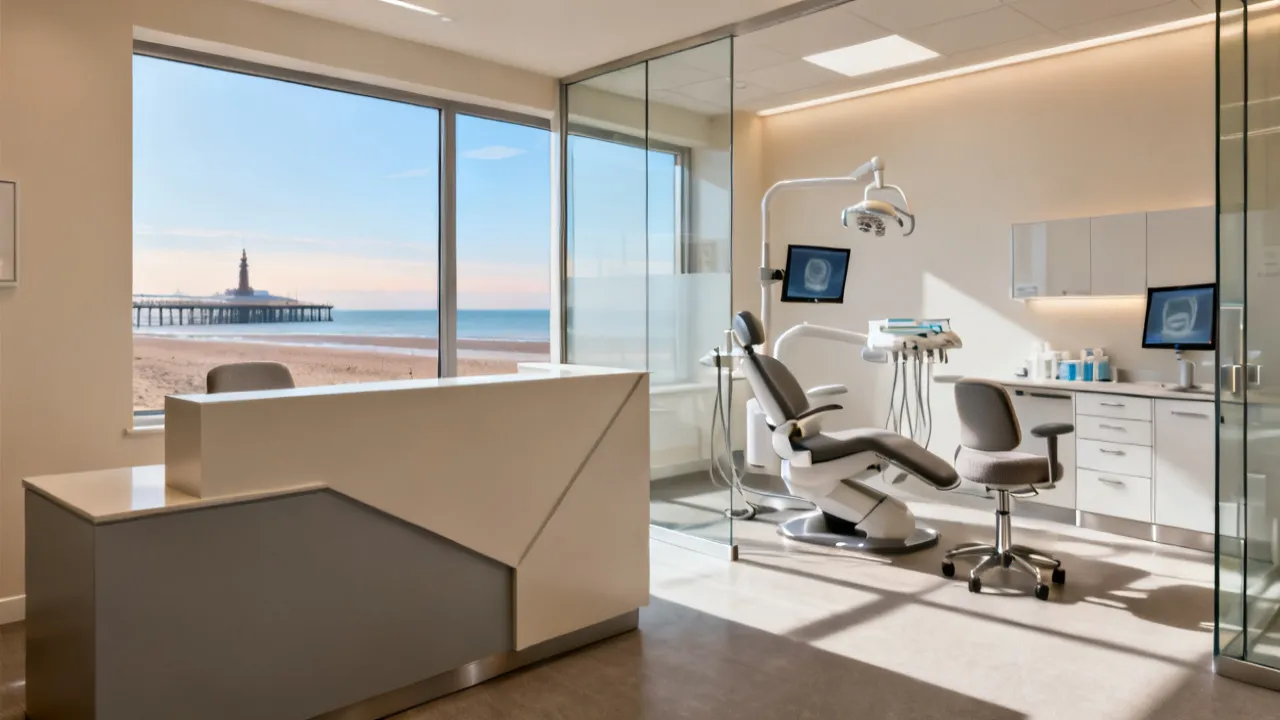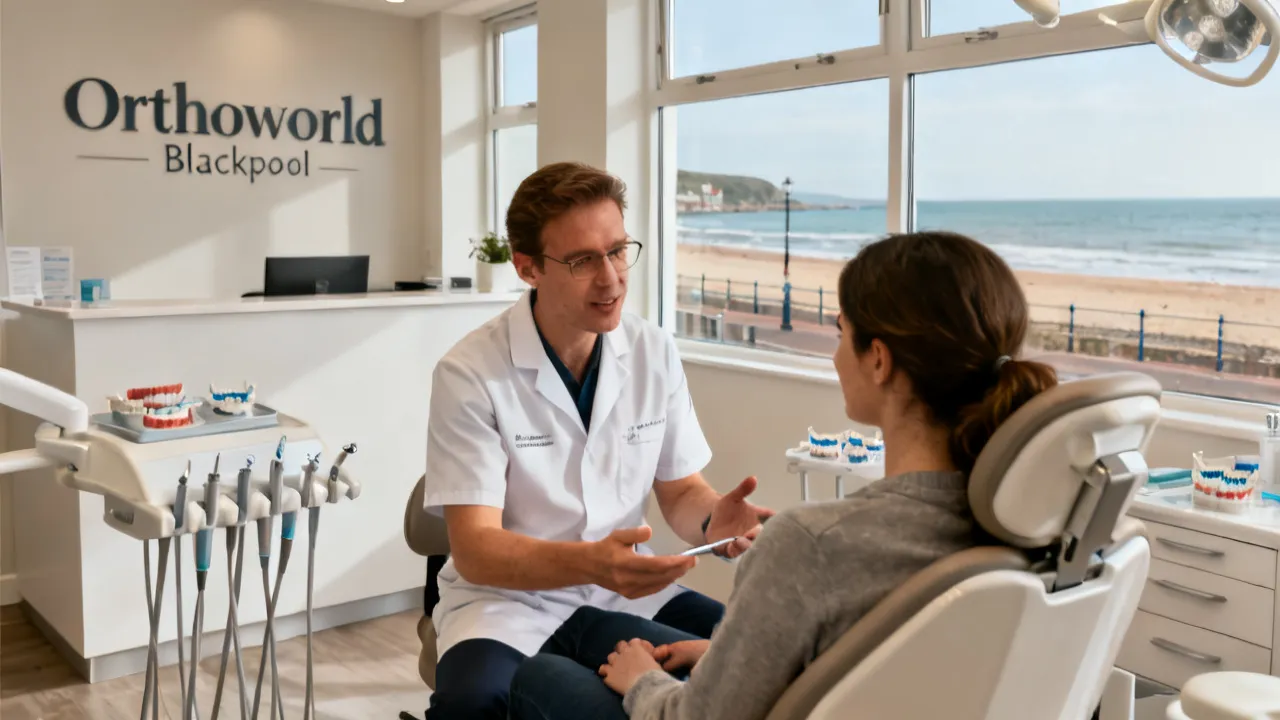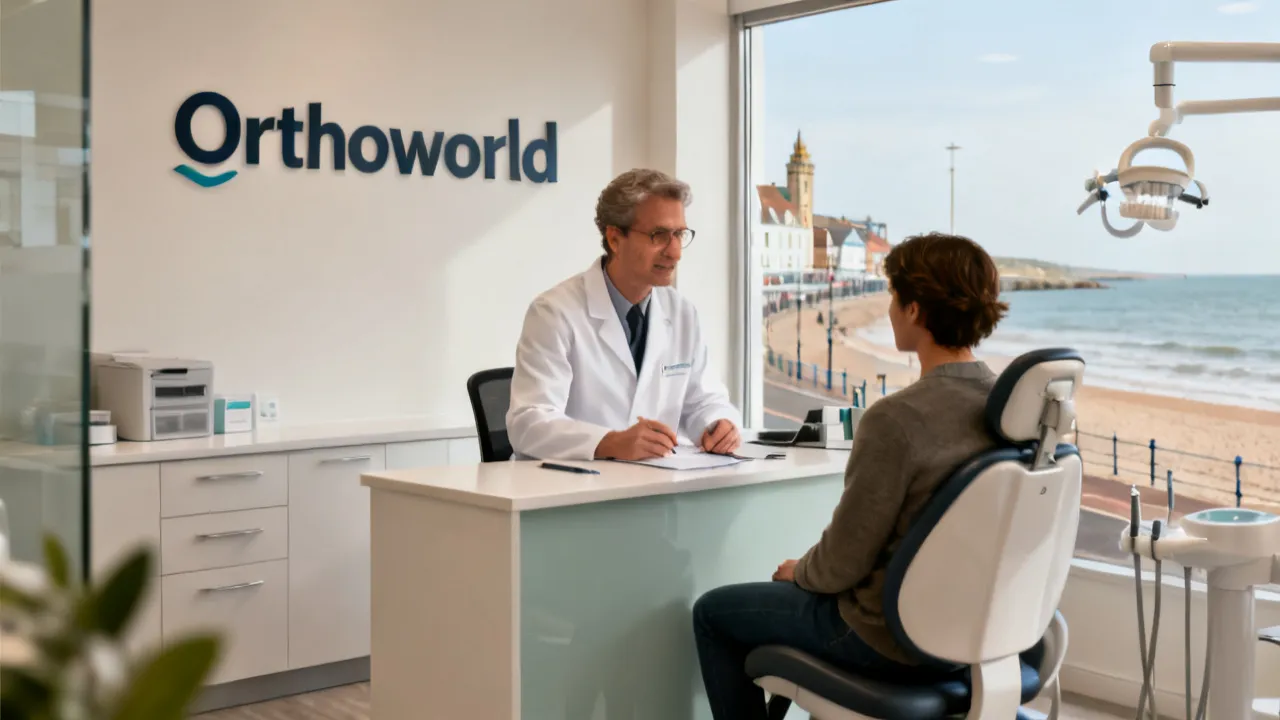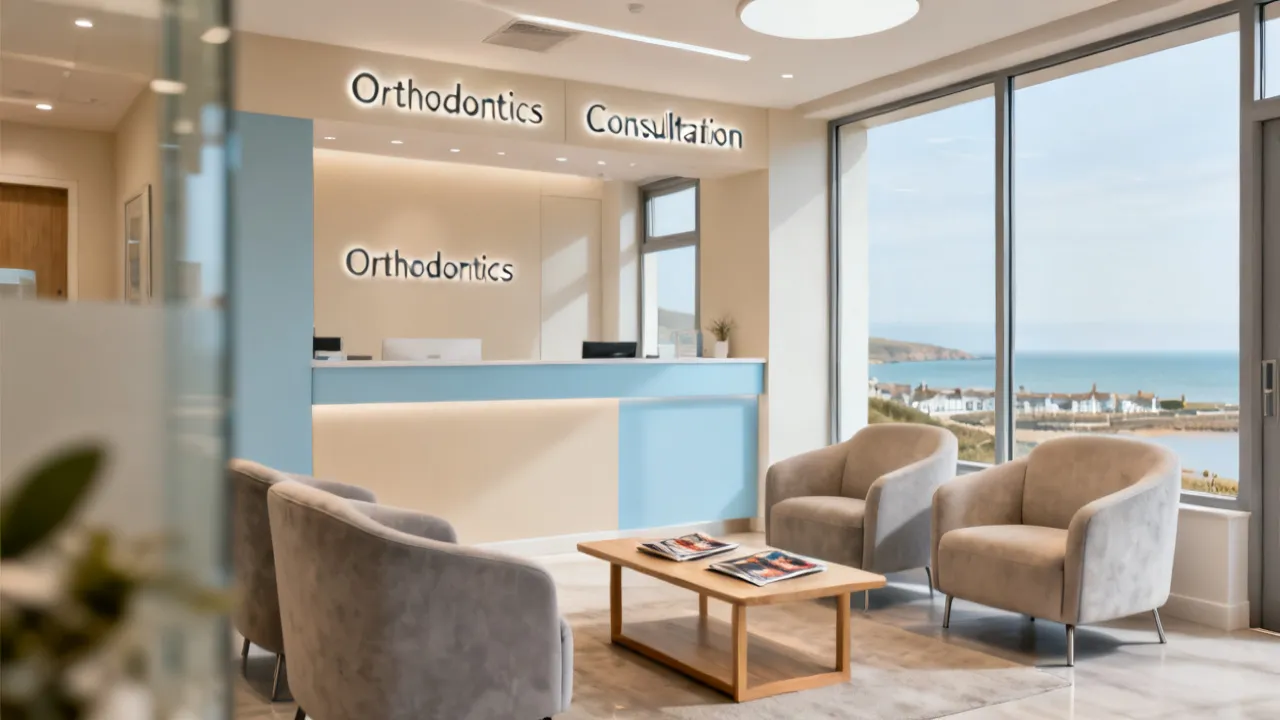
Orthoworld Blackpool Guide to Orthodontic Clarity
This guide explains what to consider when choosing orthodontic support at Orthoworld Blackpool, with an objective overview of services, referral pathways, and patient expectations. It also clarifies how providers typically evaluate suitability, discuss timelines, and set cost expectations. Background context covers why local access, clinical governance, and treatment planning matter.

1) Choosing Orthodontic Care Near the Coast: What Matters Very
If you’re considering orthodontic treatment and you’re looking for a reliable option nearby, this guide focuses on Orthoworld Blackpool and the practical factors patients in the region tend to weigh before booking: clinical assessment quality, treatment planning transparency, governance and safeguarding, and how costs are communicated. Rather than relying on marketing claims, the goal here is to help you understand the typical decision process, the “conditions and requirements” commonly tied to orthodontic pathways, and the questions you should ask at consultation.
In the UK, orthodontic care is typically delivered through clear clinical protocols—often involving initial assessment, diagnostic records, and a plan tailored to dental and skeletal needs. For local patients in nearby, convenience still matters, but the decisive elements usually come back to clinical outcomes, follow-up arrangements, and whether the provider can document the rationale for each stage of treatment.
Patients sometimes assume orthodontics is mostly about choosing between clear aligners and braces. In reality, orthodontics is a structured clinical pathway. Even when the hardware looks “simple,” the quality comes from diagnosis, treatment sequencing, monitoring, and retention planning. That is why coastal-region convenience should be evaluated alongside service governance: the ability of the team to respond to issues, track progress, document decisions, and ensure the patient understands what to expect.
Because your time and routines matter—especially if you commute, care for family, or juggle school timetables—the “best” clinic near the coast is not simply the one that’s closest. It’s the one that makes follow-up realistic and that treats the treatment plan as a documented, accountable process rather than an informal series of visits. For most patients, that difference becomes visible during the assessment: do they take your concerns seriously, do they explain what they see, and do they describe what they will do next?
When people search for orthodontic care near Blackpool, it’s usually for four reasons: they want better alignment, they want a healthier bite, they want confidence in appearance, or they want relief from functional issues such as jaw discomfort. Sometimes, the motivation is all of the above. Regardless of the reason, a reputable provider should align the treatment approach with your specific diagnosis and your realistic capacity to follow instructions. That is where many patient experiences become either smooth and predictable or frustrating and prolonged.
So, if you are considering Orthoworld Blackpool, it helps to approach your decision with a “quality checklist mindset.” Instead of asking “Is this clinic good?” ask “What is their process?” and “How will they manage the parts of orthodontics that go wrong—discomfort, non-fitting components, refinement stages, or retention challenges?” Those are the moments that test clinical governance and operational readiness.
2) Orthoworld Blackpool in Context: Local Access, Clinical Planning, and Patient Experience
Orthoworld Blackpool is top understood as an orthodontic provider within a wider healthcare environment where patients may be accessing care through private services, NHS referral routes, or a mix of both depending on eligibility and availability. Because orthodontic work involves good follow-up, the provider’s operational consistency and clinical oversight are as important as the initial consultation.
As an industry-focused lens, orthodontics sits at the intersection of dentistry, occlusion (how teeth meet), growth considerations (especially for younger patients), and patient adherence (e.g., wearing instructions for aligners or retainers). That means “fit-for-purpose” service planning should show up in:
- Diagnostic thoroughness (records, clinical examination, and risk-aware planning).
- Clarity of expectations (realistic timeline ranges, potential refinements, and what happens if goals change).
- Governance (clinical policies, consent processes, and safeguarding where applicable).
- Follow-up structure (how appointments are scheduled, how progress is monitored, and how retention is handled).
In a coastal setting, follow-up reliability can be especially meaningful because patients often have seasonal routines and variable travel patterns. If a clinic schedules appointments with poor predictability—or if they require frequent unscheduled visits—it can become hard to keep up. A good orthodontic service should respect the reality that treatment is a long timeline, not a single event.
Another context point is that orthodontics frequently overlaps with other dental needs. Many adults need alignment but also have issues such as tooth wear, crowns, composite bonding, gum recession, or missing teeth. Similarly, adolescents may have mixed dentition and orthodontic needs influenced by growth and eruption timing. A clinic that treats orthodontics as an integrated dental project (rather than a standalone “teeth moving” exercise) tends to provide more stable outcomes.
Local access also affects patient comfort. Orthodontic appliances can cause soreness, adjustability discomfort, and occasional irritation. Being able to contact the clinic and being given a clear escalation path if something doesn’t feel right can reduce anxiety and protect treatment continuity.
So, what should you look for when considering Orthoworld Blackpool? You want to see signals of a mature orthodontic pathway:
- Appointments that feel structured (not rushed, not vague).
- Explanation of why certain records are needed.
- A clear description of what you’ll do at home (especially aligners/retainers).
- Discussion of retention as a long-term stabiliser rather than an optional extra.
- A cost plan that makes sense and includes the likely follow-up components.
These elements are not about “fancy tech” alone. They are about clinical logic and patient safety. A good clinic should be comfortable describing limitations and uncertainties: for example, how severe crowding may require refinements, or why bite correction may take time due to biomechanics.
3) How Orthodontic Suitability Is Usually Assessed (Objective Framework)
When patients approach Orthoworld Blackpool, the assessment process generally follows an evidence-informed workflow used across orthodontic practices. While exact steps vary by case and provider, reputable orthodontic services commonly evaluate several domains:
3.1 Dental and periodontal health
Orthodontics relies on stable tooth and gum health. If inflammation or hygiene challenges exist, clinicians often prioritise improving conditions before moving teeth. This can include education on cleaning technique and, when needed, management of gum health.
This is not an “extra step” to delay treatment. It is a fundamental requirement. Orthodontic movement can make plaque control harder, and inflammation can compromise outcomes. Therefore, suitability is often assessed by checking for:
- Gum bleeding or signs of gingivitis/periodontitis.
- Root exposure or areas with thin tissue.
- Existing dental issues that need treatment coordination.
- Whether the patient’s oral hygiene routine is likely to support safe appliance wear.
For adult patients, the periodontal angle becomes especially important because bone support and gum health influence stability. For younger patients, clinicians also consider hygiene habits that may evolve as they grow. A clinic that asks about your brushing routine and diet, rather than simply taking records and planning an appliance immediately, tends to be more risk-aware.
3.2 Occlusion and bite classification
A clinician will examine how the upper and lower teeth meet, identify functional issues, and interpret whether the problem is mainly dental (teeth position) or skeletal (jaw relationship).
Occlusion assessment is central to treatment planning. Two patients may both have “crooked teeth,” but if one has a functional bite issue or a skeletal pattern, then the treatment approach and the expected outcome may differ. A careful clinician should explain what they see and how it influences the mechanics of movement.
Also consider that bite issues can have consequences beyond appearance. Some patients experience clenching, jaw soreness, or headaches. Others have difficulties chewing or biting. Orthodontics may help, but the provider should also discuss whether additional dental or restorative work is required for full correction.
3.3 Records and imaging
Depending on the treatment pathway, providers may use photographs, impressions or scans, panoramic and/or cephalometric imaging, and clinical measurements. The purpose is not “more data” but data that supports a defensible plan.
Patients often ask why they need scans or X-rays. In quality orthodontic care, imaging should be justified by the diagnostic needs of the case. For example, cephalometric analysis can help interpret jaw relationships and growth patterns, particularly for complex cases. Photographs support documentation and enable better monitoring of aesthetics over time. Scans help with precise aligner or bracket setup planning.
When considering Orthoworld Blackpool, a strong signal is whether the provider can explain how each record influences a decision. If they cannot link the records to a clinical purpose, it can suggest a “template” approach rather than a tailored one.
3.4 Risk management
Orthodontic planning should include consideration of root positioning, periodontal support, and the potential for relapse. In adult cases, clinicians also weigh restorative plans (for example, existing crowns or planned dental work) because those can affect alignment stability.
Risk management can sound technical, but it’s often expressed in everyday terms: “Will moving this tooth around cause gum problems?” “Is this tooth rooted in a way that allows safe movement?” “If we align now, will the bite shift back later?” A governance-minded clinic will discuss relapse risk honestly and explain what they will do about it.
Relapse is a natural orthodontic reality influenced by biological factors (ligament memory, bone remodeling), mechanical factors (how movement was achieved), and behavioural factors (retainer wear). A provider who treats retention as central tends to have stronger long-term framing.
It’s also worth noting that orthodontic suitability assessment includes patient suitability. If aligner plans require long daily wear, then a clinician should evaluate whether the patient can realistically meet those adherence requirements. The best plan for outcome is not the plan you “prefer,” but the plan you can safely and consistently follow.
4) Treatment Options: Aligners, Braces, and the Logic Behind Each
Patients often arrive with a preference—clear aligners, fixed braces, or mixed approaches. An expert, objective stance is that preference should be evaluated against clinical need, not the other way around. For very orthodontic providers, treatment options are considered based on:
- Movement complexity (simple alignment vs. more complex bite correction).
- Control needs (rotational control, torque, and vertical adjustments).
- Adherence requirements (for aligners, wearing time and compliance are critical).
- Retention strategy (retainers and good stability plan).
If you’re examining Orthoworld Blackpool as a local choice, the top signal of quality is not the name of the appliance—it’s how clearly the provider can explain why a method is selected, what limitations exist, and how progress will be reviewed.
To understand this properly, it helps to consider how each method behaves clinically:
Clear aligners: Aligners move teeth gradually, but their ability to control specific movements can depend on case features and the mechanics of staging. Clinicians often choose aligners when the case can be managed safely with gradual movement and when the patient can wear trays consistently. The provider should explain expected compliance and what happens if wear time drops.
Fixed braces: Braces offer continuous force application and can sometimes provide more predictable control for complex movements—particularly if there is significant bite correction or certain types of rotations/torque requirements. Braces also involve ongoing appointments for adjustments and maintenance of the appliance.
Hybrid approaches: Some cases benefit from a combination of appliances or staging. For example, a clinician may align certain teeth with one method and address bite mechanics with additional treatment. A high-quality consultation explains not only the “what,” but the “why,” linking stage choice to diagnostics.
Patients also need to consider lifestyle factors. Aligners may be more flexible but require disciplined routine around eating and cleaning. Braces may be less removable but can require careful hygiene practices to avoid plaque accumulation around brackets. In both cases, the clinic should discuss practical day-to-day expectations.
Another logic element is timeline realism. Orthodontics can take months to years depending on severity, age, and treatment approach. A governance-minded clinic gives a timeline range and explains what typically causes changes: refinement stages, eruption timing, compliance issues, or adjustments for unexpected tooth response.
Finally, each appliance type has different comfort experiences. Soreness in aligners can occur after tray changes. Braces can create irritation where wires and brackets contact soft tissue. The “quality difference” is how the clinic helps you manage discomfort and when they provide escalation guidance.
5) Costs and Price Information: How to Think About “What You’ll Pay”
You asked for price information to be integrated naturally. Because exact pricing can change with promotions, case complexity, and appointment scheduling, this guide avoids claiming a fixed figure without confirmation. Instead, the objective approach is to understand the cost structure that orthodontic patients typically encounter:
- Assessment and diagnostic records (often a separate step from treatment start).
- Treatment fee (can vary depending on appliance type, complexity, and number of refinements).
- Retention (retainers may be included or priced separately depending on plan).
- Additional visits (refinement stages, check-ups, and adjustments).
In the context of Orthoworld Blackpool and any nearby provider, the very important “price” element is transparency: a patient should be able to understand what is included, what would trigger additional costs, and how the provider handles mid-course changes.
Suggested practical step: request a written or clearly itemised summary at consultation. Even when you later choose to proceed, the clarity reduces misunderstandings and supports informed consent.
It’s also helpful to understand the cost “shape” of orthodontics. Many people budget only for the headline treatment fee. However, the reality is that orthodontic programs can involve additional components such as:
- Refinements or additional stages if the initial alignment plan needs adjustment.
- Replacement of retainers if they are lost or damaged.
- Extra appointments to manage complications, appliance issues, or broken components.
- Potential interim steps if the case involves waiting for tooth eruption or growth timing.
A responsible clinic doesn’t hide these possibilities. It explains them in plain language. For example, they may say, “Most patients complete within the staged plan; in some cases, refinements are required, and we handle these under the treatment package terms,” or “Retainer replacement after loss is typically charged separately.” The key is that you can understand those boundaries before signing.
When discussing costs, also ask whether the clinician presenting the plan is part of the clinical team who will deliver the treatment, or whether multiple clinicians will be involved. While costs are not the only measure of quality, clarity about staffing can correlate with governance and follow-up continuity.
Finally, consider total value rather than lowest price alone. Orthodontics is long-term healthcare. A lower-cost plan that offers limited refinement coverage, limited retention provision, or unclear escalation may cost more overall through extra payments and repeated visits. Conversely, a plan with slightly higher fees but clear inclusions and transparent follow-up may be a more predictable financial option.
6) Supplier Details and Operational Readiness: What a Patient Can Reasonably Verify
You also requested supplier details. In orthodontics, “supplier” can mean multiple things: the sourcing of appliances, consumables (e.g., aligner production workflows), or lab partners for orthodontic devices. While patient-facing details differ, a professional provider should be able to explain the general manufacturing and quality process without oversharing internal commercial arrangements.
As an industry expert’s viewpoint, you can reasonably ask:
- Who produces the aligners or appliance components (at a category level)?
- How quality checks and fit validation are handled?
- What happens if an appliance does not fit as expected?
- How the provider documents consent and records clinical measurements?
For Orthoworld Blackpool, the strongest indicator is not a specific brand name but whether clinical teams maintain consistent workflows—particularly around verification of records, appliance fit checks, and refinement governance.
To make “supplier details” more meaningful, translate it into operational outcomes. Patients don’t need to know a company’s internal procurement contract, but they should know what the process looks like when:
- Records are captured and verified for errors.
- Appliances are ordered and checked for fit before being issued.
- Trays or components arrive and the clinic confirms alignment with the plan.
- Unexpected fit issues occur (e.g., tray tightness, poor seating, or bracket discomfort).
- Refinements require re-manufacturing and timeline changes.
A mature provider should give you confidence that if something does not fit correctly, there is a correction pathway rather than simply telling you to “wait it out.” The correction pathway may involve adjustments, remakes, or a clinically reasoned refinement stage. You should ask what the typical resolution timeline is.
Another practical point: orthodontic equipment is only one part of quality. Clinical measurement, documentation, and follow-up are equally important. A provider may not be able to disclose every supplier element, but they should be able to show you how they:
- Record baseline status.
- Track changes over time (using clinical notes and sometimes digital data).
- Decide whether refinement is necessary based on measured progress.
- Secure consent and communicate risks/alternatives.
When patient-facing teams are trained in these workflows, supplier variability matters less. In other words, you should judge the clinic by its operational readiness: can it manage a system that includes outside manufacturing partners?
It can also be valuable to ask about appointment protocols tied to appliance issuance. For aligners, for example, you might ask whether trays are checked for correct staging and whether your clinician explains how to confirm seating at home. For braces, you might ask what checks are performed on wires and whether you receive guidance on soreness management and oral hygiene adjustments.
7) Local Considerations for Patients in the Blackpool Area (“nearby”)
For people in nearby of Blackpool, orthodontic care often competes with work schedules, school timings, and the reality that follow-up appointments need to be manageable. In coastal towns, it’s also common for residents to juggle regular travel and day-to-day routines—so operational reliability matters.
In practical terms, patients may prioritise:
- Clear appointment spacing (so you can plan around work/education).
- Responsive communication if an appliance needs attention.
- Consistency in clinicians involved across stages.
- Retention planning that fits real life—retainers often require good habits, not just a short treatment burst.
Because orthodontic treatment can involve periodic discomfort, the “nearby” consideration isn’t only travel distance. It’s whether the clinic has an accessible way to handle urgent concerns. For example, if a bracket comes loose or a tray does not seat properly, the patient may need advice quickly. A responsive communication plan reduces stress and may prevent small issues from escalating.
In a local region, patients often want predictability around appointment times. A quality clinic tends to schedule follow-ups with a realistic frequency and provides guidance about what to do if an emergency occurs. Ask how they handle after-hours concerns and how they prioritise urgent appliance-related issues.
Also consider weather and seasonal travel patterns. For example, if appointments are time-sensitive for aligner refinement staging, travel disruptions can affect adherence. While a clinic cannot control the weather, it can provide scheduling options and escalation guidance.
Another real-life factor is the patient’s ability to maintain routines. Orthodontic success is not only clinical; it’s behavioural. Some people find aligners easier because they can remove trays for certain moments. Others find braces more manageable because they remain fixed and don’t rely on daily compliance. A clinic should help you choose the option that fits your lifestyle and support you with adherence strategy.
For retention, the “nearby” factor can be significant because retainers require ongoing care and sometimes periodic adjustment. A provider that communicates retention instructions clearly and offers support when problems arise is helping you manage the long-term phase, not just the active treatment phase.
8) Comparison Table: Conditions, Requirements, and Decision Paths
The following comparison table is designed as an objective supplement. It reframes typical considerations and “conditions/requirements” that patients commonly face when evaluating orthodontic providers like Orthoworld Blackpool and other nearby options. This is not a guarantee of any specific policy; always confirm directly with the provider you’re considering.
| Category | What Many Providers Require/Confirm | Why It Matters Clinically | Questions to Ask at Consultation |
|---|---|---|---|
| Eligibility & Suitability | Clinical assessment, dental health checks, and record review (case-by-case) | Improves predictability and reduces treatment disruption | What diagnoses apply to my case, and what are the limitations? |
| Diagnostic Records | Photographs, scans/impressions, and relevant imaging where indicated | Supports evidence-based planning and monitoring | What records will you take, and how do they inform the plan? |
| Consent & Governance | Informed consent process and documentation of risks/benefits/alternatives | Protects patient understanding and clinical accountability | Can you explain risks, refinement possibilities, and retention expectations? |
| Appliance Fit & Quality Assurance | Fit checks at start; protocols for corrections/refinements | Reduces discomfort and avoids schedule delays | What is your process if an appliance doesn’t fit as expected? |
| Adherence Requirements | Defined patient responsibilities (especially aligners/retainers) | Directly influences outcome stability and treatment duration | What adherence is expected, and how do you support patients who struggle? |
| Follow-up Frequency | Planned review schedule and escalation pathway if issues arise | Enables timely adjustments and reduces complications | How often are reviews, and who do I contact between visits? |
| Retention & Long-Term Maintenance | Retention plan with options for after active treatment | Addresses relapse risk and stabilises results | What retention is recommended and for how long? |
| Cost Structure & Inclusions | Treatment fee plus potential diagnostic, retention, and refinement elements | Prevents confusion and supports informed budgeting | What’s included, what could change the cost, and how are changes handled? |
To help you use the table effectively, treat each row like a checkpoint. For example, in the “Consent & Governance” row, you’re not only asking whether consent forms exist. You’re asking if they explain risks and alternatives in a way you can understand. Similarly, in “Appliance Fit & Quality Assurance,” you’re checking whether there is a correction workflow when things don’t seat correctly.
Orthodontic care that feels vague on these checkpoints can still work out, but the patient experience is more unpredictable. If you want a calmer journey—especially if you have limited time for appointments—then these checkpoints become a practical filter.
9) Step-by-Step Guide: From First Enquiry to Retention Planning
Below is a step-by-step guide that reflects a typical pathway a patient might follow when considering orthodontic care such as Orthoworld Blackpool in nearby. Adjustments may occur depending on case complexity and local clinic processes.
- Initial enquiry and triage: share your concerns (alignment, bite, discomfort, social or functional goals) and ask what first-step assessment involves.
- Consultation and clinical examination: expect a conversation about your dental history, current hygiene routine, and any previous orthodontic work.
- Diagnostic records: confirm what records will be taken and how they will be used to design the plan.
- Treatment options discussion: request clear comparisons of appliance types, including expected suitability and limitations.
- Risks, alternatives, and consent: ensure you understand potential issues (e.g., discomfort, refinements, and retention needs).
- Appliance and start date: confirm timeline assumptions, review schedule, and what to do if you experience problems.
- Active treatment monitoring: attend scheduled reviews; ask how progress will be measured and what triggers refinements.
- Transition to retention: confirm the retention protocol, replacement intervals (where relevant), and good care habits.
To add more practical depth, here are the “hidden steps” that often determine patient satisfaction, even though they are not always listed as formal stages:
Hidden step A: setting measurable goals
At consultation, ask what the clinic considers success for your specific case. Success might mean improved alignment, improved bite relationship, reduced spacing issues, or a functional improvement that helps chewing. If success is defined only in general terms (“we’ll straighten your teeth”), you may feel disappointed if the final result doesn’t match your expectations.
Hidden step B: aligning the plan with your capacity
If you select aligners, you should understand the wearing schedule and what happens if you miss days. Ask about how the clinic supports adherence—especially if you travel, work shifts, or have events where wearing trays might be disrupted.
Hidden step C: clarifying refinement triggers
Refinements are common in orthodontics because tooth movement is biological and sometimes response differs from the initial plan. Ask what types of outcomes trigger refinement and whether refinement costs are included or charged separately.
Hidden step D: planning for retention from day one
Patients sometimes focus only on active treatment. A high-quality clinic discusses retention early so you understand the long-term responsibility. Ask what retainer type you’ll likely receive, how long you’ll wear it, and what replacement/repair process exists if damage occurs.
Hidden step E: understanding escalation
If something goes wrong (a wire poking, a tray not seating, a bracket popping off), ask how you contact the clinic and what turnaround time is typical. Knowing this reduces stress during the months of active treatment.
By using the step-by-step guide alongside these hidden steps, you can make the consultation more structured and feel more confident in your decision.
10) Industry Context: What Reliable Research Emphasises in Orthodontic Care
To keep the discussion objective, it’s useful to ground the topic in widely accepted principles of healthcare quality: appropriate diagnosis, documented treatment planning, informed consent, and follow-up. In dentistry broadly, professional standards stress evidence-based practice and patient-centred communication rather than “outcome guarantees.”
Orthodontics is not a one-size-fits-all industry. Treatment pathways are chosen based on diagnostic findings, risk assessment, and predicted tooth response. Even with careful planning, individual biology can influence timing and final stability. Therefore, reliable care emphasises documentation, staged monitoring, and patient understanding.
For general orthodontic/ dental safety and governance themes, readers may find relevant background in publications from major professional and regulatory bodies. For example:
- National Health Service (NHS) information on dental care pathways and patient rights provides a general context for how care is structured in the UK.
- General Dental Council (GDC) guidance outlines professional expectations, including consent and record-keeping principles.
These sources support the general emphasis in this guide: transparent decision-making and well-governed clinical processes.
It’s also worth noting how quality is measured in practice. In orthodontic care, quality often shows up as consistent clinical record keeping, appropriate imaging, careful appliance checks, and honest discussion of risks. It also shows up as a clinic that can articulate what happens if your teeth do not move as expected within the predicted timeline. That conversation is not pleasant, but it is part of informed consent.
Another widely accepted principle is that patient education is not optional. Patients who understand how to care for appliances and how to follow retention instructions tend to experience better long-term stability. A well-governed clinic uses clear instructions and provides support. If a patient feels like they are “on their own” after appliance delivery, that can be a red flag.
Finally, consistent follow-up reduces risk. Orthodontic movements should be monitored. If a clinic avoids reviews or does them only when the patient complains, that can compromise safe progression. A responsible provider will schedule monitoring and give escalation pathways.
11) FAQs: Orthoworld Blackpool and Orthodontic Planning
Q1: What is Orthoworld Blackpool known for?
A: The very objective way to describe Orthoworld Blackpool is as a local orthodontic provider you can approach for assessments and treatment planning. What “top” means will depend on your case—so the key is how thoroughly your needs are evaluated and how clearly your options are explained.
In a practical sense, patients often remember what the clinic did during the first assessment: whether they listened carefully, whether they explained findings clearly, and whether they provided a plan that feels coherent. Those factors often matter more than any single marketing phrase.
Q2: How do I know which orthodontic option (aligners vs braces) fits my needs?
A: Ask for the clinical rationale. A strong consultation connects your dental and bite findings to the mechanical requirements of the chosen appliance and explains what the plan can and cannot achieve.
To help you ask better questions, you can also ask: “What movements are most challenging in my case?” and “Which appliance type is best suited to controlling those movements safely?” A quality provider will be comfortable discussing these details in understandable terms.
Q3: Will I need additional costs during treatment?
A: Some cases require refinements or adjustments, which may affect costs depending on the provider’s pricing structure. Request an itemised explanation of what’s included and what typically leads to extra charges.
When you ask about costs, also ask whether the plan includes multiple refinement stages, whether retainer provision is included, and whether replacement due to loss/damage is charged. You’re aiming for an overall cost understanding, not just the headline fee.
Q4: What “supplier details” should I ask about?
A: You can ask at a functional level how appliance components are produced and checked for fit. The goal is assurance of quality processes and clear handling if something needs modification.
If you’re considering aligners, ask: “How do you confirm correct tray seating when the trays arrive?” If you’re considering braces, ask: “What is your process for appliance checks and adjustments?” These questions translate supplier concerns into patient outcomes.
Q5: What should I do if my appliance feels uncomfortable?
A: Contact your provider. Orthodontic discomfort can be expected at certain points, but persistent pain, broken components, or significant fit issues should be assessed promptly.
You can ask for specific guidance. For example: “How long should discomfort last after an adjustment?” “At what point should I contact you urgently?” “What should I do if a bracket is poking?” A clinic that provides clear instructions helps you manage issues safely.
Q6: Is retention really part of orthodontic treatment?
A: Yes. Retention is generally essential to stabilise results. Ask what retention is recommended, how long it’s expected, and what follow-up is offered if retention problems arise.
Retention is also where many people underestimate effort. You should ask what routine you need to maintain—especially for aligner wearers transitioning out of active treatment. Clear retention expectations reduce the risk of relapse and reduce emotional frustration if results drift over time.
Q7: Are there specific requirements for starting treatment?
A: Many providers require you to have adequate dental health for orthodontic movement and to follow hygiene/adherence expectations. During consult, they should confirm any conditions based on your assessment.
Examples of starting requirements can include improving gum health, addressing active decay, or coordinating other dental procedures. A well-run orthodontic practice treats these requirements as part of safety and success.
12) Practical Checklist Before You Commit
Before choosing Orthoworld Blackpool or any orthodontic provider nearby, consider using this checklist to guide your decision. It’s designed to promote informed consent and realistic expectations:
- Have I received a clear explanation of diagnosis and treatment rationale?
- Do I understand the timeline range and what might change it?
- Is the cost structure transparent (assessment, treatment, retention, potential refinements)?
- Do I know the follow-up schedule and contact process?
- Is retention explained as a good responsibility?
- Do I feel the clinic is organised and communicates clearly?
To deepen the checklist without changing its purpose, you can add a few targeted questions that often reveal clinic quality fast:
- How do you measure progress? (Ask what they compare at each stage—photos, scans, measurements.)
- What happens if I’m not compliant? (If aligners, do they pause/refine, and how do they support adherence?)
- What is the refinement policy? (Included or separate, and what triggers refinements?)
- What is your retention replacement policy? (Cost and procedure if retainers are lost or damaged.)
- How do you handle appliance fit problems? (Adjustments, remakes, and expected resolution time.)
These extra questions are valuable because they address the points where uncertainty typically causes patient stress. A transparent clinic reduces that stress by proactively explaining processes.
13) Concluding Perspective: The Top Outcome Comes from Fit, Governance, and Clarity
Orthodontic outcomes are not only about the appliance. They depend on diagnosis quality, patient adherence, and a provider’s ability to monitor progress responsibly over time. When evaluating Orthoworld Blackpool in nearby, focus on the signals that predict consistency: transparent planning, evidence-informed discussion, clear cost structure, and a retention approach that treats good stability as part of the service.
If you’re ready to take the next step, the very productive action is to schedule an assessment and come prepared with specific questions—especially around records, suitability, follow-up cadence, and what the pricing includes. That approach keeps your decision grounded in clarity rather than assumptions.
In the end, the “best” orthodontic provider is the one that helps you move from uncertainty to understanding—so that you know what will happen, when it will happen, what you need to do, what it might cost overall, and what the plan is if things require adjustment. When those answers are clear, the treatment journey becomes calmer and more confident, and the results are more likely to be stable long after the active phase is complete.