How to Choose an Orthodontist Nearby for Implants
This guide explains how to find an Orthodontist in My Area and what to expect when dental implants are considered alongside orthodontic planning. It covers selection criteria, typical care pathways, and practical ways to reduce implant costs using verified online resources and insurance options. Cost ranges by country are provided for reference, with clear disclaimers.

Start Here: Choosing an Orthodontist Nearby When Implants Are on the Table
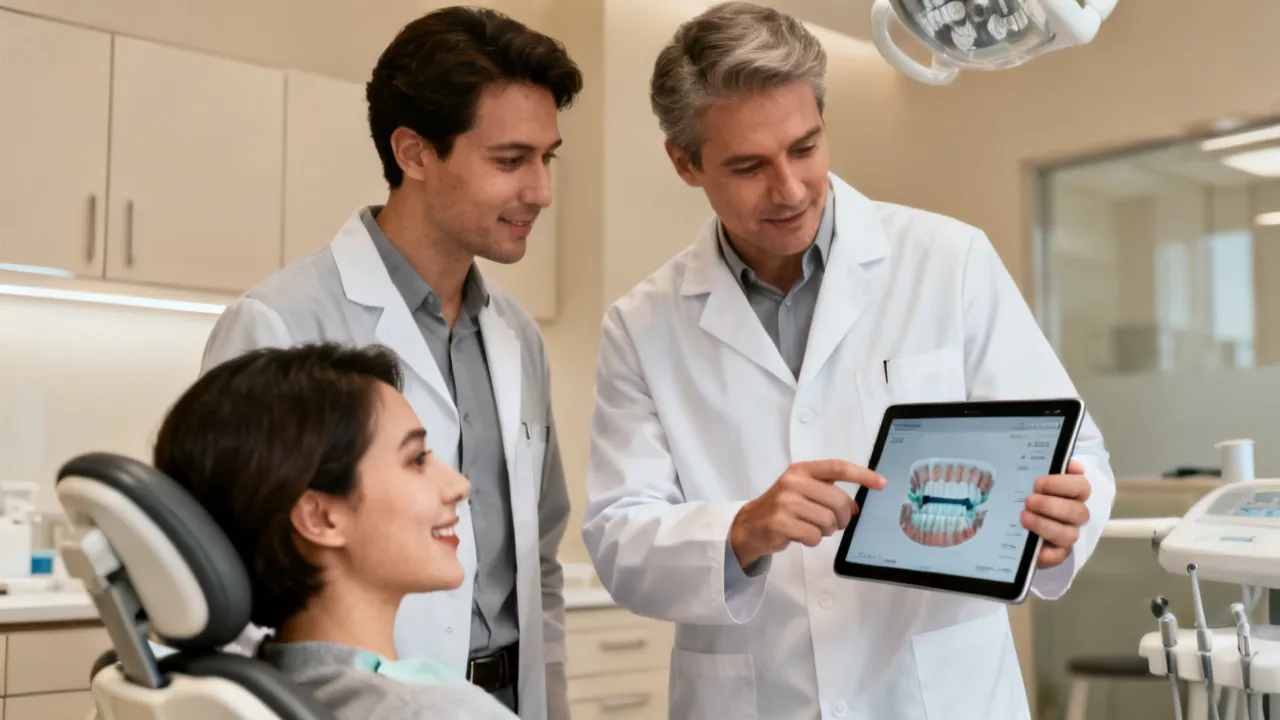
If you’re searching for Orthodontist in My Area, you’re likely trying to solve more than straightening teeth—you may also be facing gaps, missing teeth, bite problems, or jaw alignment concerns that can affect good function. In modern dental practice, orthodontic assessment often overlaps with implant planning (for example, when spacing, occlusion, or bone availability must be coordinated). The very important decision is not the clinic’s marketing, but whether the orthodontic and surgical teams use an evidence-based treatment workflow and provide transparent explanations of risks, timelines, and costs.
From an expert perspective, your goal should be to confirm three things early:
- Clinical fit: the provider can evaluate your orthodontic needs and discuss how they may influence implant placement, loading, and good stability.
- Process clarity: you understand diagnostics, treatment stages, and decision points (what happens if bone volume is insufficient, or if extraction and alignment must be sequenced).
- Financial transparency: pricing is explained in a way that distinguishes consultations, imaging, surgical components, prosthetic work, and follow-up care.
Why “Nearby Orthodontic Care” Matters for Implant Outcomes
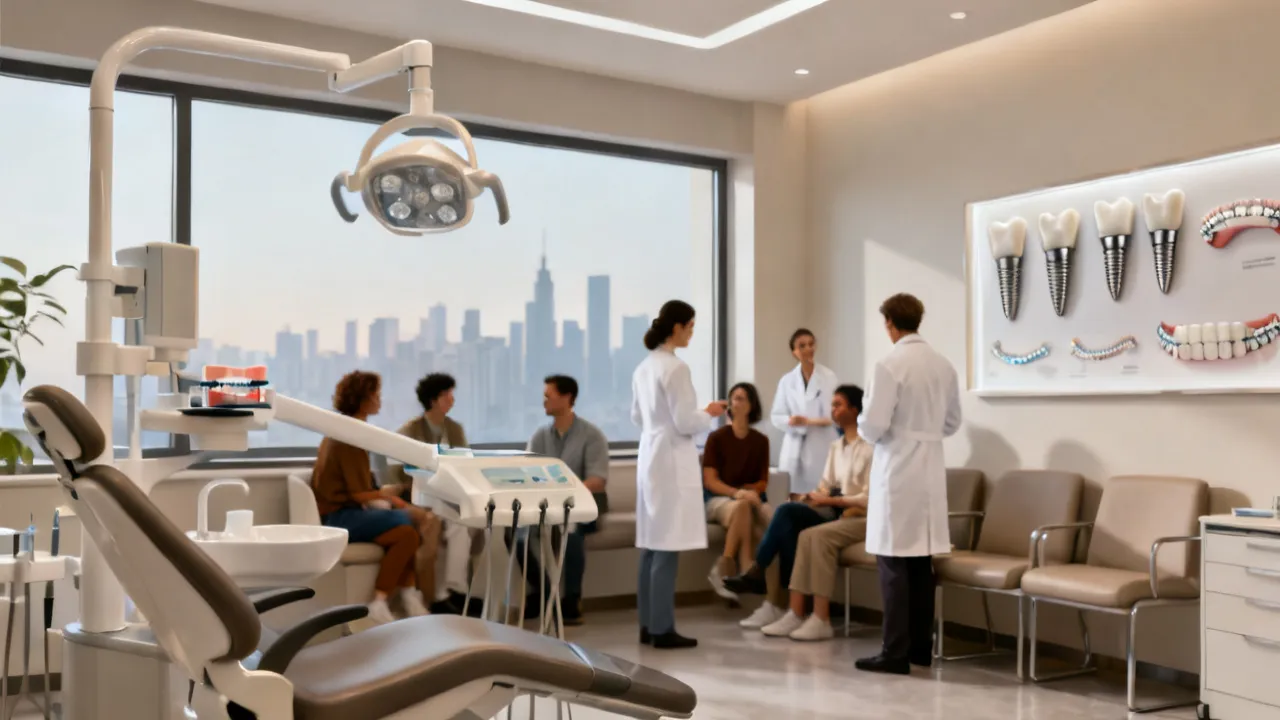
Implants are not only a surgical project; they are a good rehabilitation plan. Orthodontics can change tooth positions, occlusion, and spacing—factors that influence where implants can be placed and how the final bite and aesthetics will look. When care is coordinated locally, you also benefit from more consistent follow-up visits for healing monitoring, prosthesis adjustments, periodontal maintenance, and orthodontic finishing.
In Dental care pathways, patients often underestimate how timing affects outcomes. For example, moving neighboring teeth into or away from a space can alter the amount of bone support available or change the final crown position. When you choose a specialist with a clear orthodontic-to-implant coordination plan, you reduce the likelihood of rework or last-minute changes.
There’s also a practical advantage: implant care frequently involves multiple check-ins, professional cleanings, occlusion checks, and—if orthodontics is ongoing—alignment visits that keep the bite stable while tissues heal. If you live near your care team, it’s easier to attend these appointments without long travel, delays, or skipped maintenance. And when you’re spending thousands of dollars on a lifelong rehabilitation, convenience becomes clinical value.
What “Low-Cost” Usually Means in Dental Implant Contexts
People searching for low-cost options often encounter a wide range of offers. In practice, lower pricing may come from one or more of the following (the key is to verify which applies to your case):
- Cost structure differences: clinics may have different overhead models, appointment efficiencies, or bundled service packages.
- Scope of services included: some quotes may cover only implant placement while others include imaging, surgical guidance, grafting, and the final crown.
- Case selection: some clinics specialize in straightforward cases, which can reduce complexity (and thus total cost).
- Insurance or financing utilization: a “lower out-of-pocket” price can be achieved through insurance plan coverage, reputable financing, or structured payment options.
Because of these variables, “low cost” should be evaluated as value, not merely the lowest number. A responsible clinic will explain what is included, what may be additional, and why.
It can help to remember that implant “cost” isn’t one thing. It’s an ecosystem: diagnostics, surgical planning, implant fixture, abutment, restorative components, temporary solutions (when needed), grafting or soft tissue procedures (if needed), and ongoing maintenance. A quote that sounds inexpensive may simply be omitting several of those ecosystem components.
Expert Clinic Selection Checklist for Orthodontist Nearby (and Implant Coordination)
When you search for an Orthodontist in My Area, use an assessment framework that also helps you judge implant coordination readiness:
-
Credentials and specialization
- Confirm orthodontic qualifications and whether the provider works with oral surgeons/implant specialists when surgery is needed.
- Ask whether the clinic routinely coordinates orthodontic movement with restorative planning.
- Look for evidence of implant-adjacent collaboration: for example, a stated process for transferring records and treatment objectives between orthodontics and implant/restorative dentistry.
-
Diagnostics and imaging
- Look for a protocol that includes up-to-date imaging (for example, 3D evaluation when indicated), occlusal assessment, and periodontal evaluation.
- Request a clear explanation of how diagnostics inform both orthodontics and implant planning.
- Ask whether they evaluate not only bone quantity but also bone quality and anatomical constraints (like proximity to nerves and sinus anatomy in certain regions).
-
Treatment staging and sequencing
- Ask for a timeline: what comes first—extractions, orthodontic alignment, grafting (if needed), implant placement, or final prosthesis?
- Clarify what decisions will be revisited after each stage (and what triggers changes).
- Confirm whether orthodontics can pause during critical healing windows and what orthodontic adjustments will be made to protect implant integration.
-
Risk communication
- Inquire about risks such as implant integration challenges, gum recession, prosthetic complications, and how they handle complications if they occur.
- Request information on maintenance requirements after implants.
- Ask about contingency planning: if a graft fails, if primary stability is insufficient, or if the planned implant position needs revision—what is the backup strategy?
-
Transparent cost breakdown
- Ask for an itemized estimate: consultation, imaging, orthodontic work (if applicable), surgical components, grafting (if applicable), abutments, and the final crown or bridge.
- Confirm how additional costs are handled if treatment complexity increases.
- Ask for cost alignment across stages: for example, do they price orthodontic finishing separately from implant restoration, and do you risk paying twice if the plan changes?
-
Follow-up schedule
- Confirm how often you’ll be seen during healing and orthodontic finishing, and whether adjustments are included in the quoted price.
- Ask whether follow-up includes occlusal checks and prosthetic maintenance visits, and how long the maintenance commitment lasts.
- Inquire about who is responsible for long-term implant support: the orthodontist, the implant surgeon, the prosthodontist, or the general dentist—and how the responsibilities are coordinated.
Where to Look for Information on Low-Cost Dental Implants
Before contacting clinics, it can help to review reputable educational sources and clinic networks that explain the implant process, typical cost components, and the role of insurance or structured financing. Below is a compact comparison of several websites that discuss low-cost or cost-aware implant topics, followed by the sources to review.
| Website | Focus and value | What it helps you compare |
|---|---|---|
| Dental Views (low-cost implants page) | General education on implant benefits and cost considerations | Understanding treatment stages and what may affect pricing |
| Atlantic Dental Group | Clinic-based service overview across common dental needs | How clinics structure service offerings and scheduling |
| DentaVacation | Dental tourism oriented cost comparison and planning support | How cross-border planning can change total expenses |
| Rockville Dental Arts (ADHP content page) | Insurance-plan oriented guidance (ADHP information) | Coverage concepts that can reduce out-of-pocket costs |
source: [www.dentalviews.com](https://dentalviews.com/low-cost-dental-implants/)
source: [www.atlanticdentalgrp.com](https://www.atlanticdentalgrp.com/)
source: [www.dentavacation.com](https://www.dentavacation.com/)
source: [rockvilledentalarts.com/es/](https://rockvilledentalarts.com/es/)
Reframing “Orthodontic First” vs “Implant First” for Evidence-Based Decisions
Patients often ask whether orthodontics should come before implants or the other way around. There isn’t a one-size-fits-all answer. An expert approach evaluates your specific dental arch, bite relationship, and bone environment. Key considerations include:
- Space availability: If orthodontics needs to create or close space, timing may affect the implant site.
- Occlusion and aesthetics: Implant-supported crowns must match the final bite and smile line; orthodontic movement can change both.
- Bone support: If grafting or soft tissue management is needed, sequencing may be planned around healing capacity and orthodontic forces.
If you’re actively searching for Orthodontist in My Area, ask the clinic how it coordinates with restorative and surgical colleagues. A coordinated plan reduces surprises and improves the likelihood that the prosthetic outcome matches the orthodontic goals.
It can also be helpful to understand the “why” behind sequencing. Orthodontic tooth movement can remodel bone around teeth and can influence where you ultimately want a restoration. If an implant is placed too early, it may limit the ability to adjust the bite or close spaces. If orthodontics is performed too long before implant placement, it can complicate the surgical site if bone dimensions or soft tissue contours drift away from ideal prosthetic design. The best practices aim to align the orthodontic finish with implant planning so the final restoration emerges naturally from both specialties’ goals.
How Patients Can Get Dental Implants at Low Cost in English-, Spanish-, and Portuguese-Speaking Countries
Because you requested localization by language groups, the steps below describe practical pathways that are commonly used in English-speaking, Spanish-speaking, and Portuguese-speaking contexts. The intent is not to promote any single provider, but to show patient-level actions that can reliably reduce out-of-pocket expense.
A consistent theme across countries is that “low cost” depends on process as much as price. Patients often save money not by finding the cheapest sticker cost, but by avoiding unnecessary procedures, preventing rework, and choosing clinics that clearly outline what is included. You can apply this regardless of your language group.
1) English-speaking countries: structured planning to reduce out-of-pocket costs
-
Use pre-assessment education
- Read cost-aware explanations of implant components so you can compare quotes fairly.
- Before you contact clinics, write down a list of what you think you need (for example: “single tooth implant,” “bone graft evaluation,” “temporary crown if needed,” and “implant maintenance visits”).
-
Request an itemized estimate
- Confirm what is included: implant fixture, abutment, crown/bridge, imaging, surgical visit fees, and follow-up care.
- Ask if the quote includes the “prosthetic finalization” stage or only the surgery stage.
- Ask whether the estimate assumes standard healing (and how the cost changes if complications occur).
-
Evaluate insurance coverage options
- In many markets, insurance may partially cover related services; verify eligibility and documentation requirements through reputable insurance guidance.
- Ask whether your clinic is experienced in providing documentation with the right codes and medical justifications.
-
Consider reputable financing
- Ask whether the clinic offers structured payment plans and whether the financing affects the total cost.
- Understand whether financing is linked to a specific package; sometimes packages are good value, but sometimes they reduce your flexibility.
-
Ask about treatment alternatives when appropriate
- A specialist may discuss whether a different restorative solution is clinically suitable for your case.
- Alternatives can include removable prosthetics in the short term, different implant timing, or different prosthetic designs, depending on your occlusion and tissue condition.
-
Be cautious with “too-good-to-be-true” offers
- If pricing is far below typical ranges, ask what is missing from the quote and whether additional procedures are likely.
- If the clinic won’t share what the price covers in writing, treat that as a red flag.
2) Spanish-speaking countries: coordinated care and language-access support
In Spanish-speaking settings, patients often value clear communication and continuity of care—especially when multiple specialties are involved. Examples of service providers and informational pages that support broader understanding include Spanish-language clinic websites and insurance-related resources.
-
Choose a clinic with Spanish-language communication
- This can improve informed consent and reduces misunderstandings during multi-stage treatment.
- Ask whether your appointment includes translation support if needed, especially for complex consent forms related to surgery and implant risks.
-
Align orthodontic and implant timelines
- Ask whether orthodontic finishing impacts implant timing, crown shape, and bite alignment.
- Request written stage goals: for example, “finish orthodontics to create stable space,” “place implant after tissue dimensions are achieved,” and “coordinate final bite after prosthetic insertion.”
-
Consider dental tourism only after obtaining a complete treatment scope
- If you consider cross-border treatment, request full written documentation of the plan, prosthetic specifications, and expected follow-up.
- Clarify who will handle emergency visits or complications after you return home.
-
Verify what low-cost packages include
- Compare packages for imaging, grafting, temporary restorations, and post-operative visits.
- Ask whether post-op visits include professional cleaning and occlusal adjustment.
-
Confirm insurance eligibility where available
- Some patients use plan guidance resources to determine coverage rules and claim processes.
- Ask your clinic about how they handle referrals between specialists if insurance requires prior approvals.
3) Portuguese-speaking countries: clinic specialization and insurance-plan options
In Portuguese-speaking contexts, patients may find value in clinics with demonstrated service breadth (orthodontics, esthetics, and implants) and in dental-plan providers that coordinate emergency or network-based care.
-
Look for clinics that state implant and orthodontic services together
- This can support coordinated decision-making when implant timing is influenced by orthodontic alignment.
- Ask whether orthodontic records are integrated into surgical planning or whether you must repeat imaging at a second location.
-
Evaluate mini-implant vs standard implant suitability
- For certain cases, specialized mini-implant approaches may be discussed by clinicians; the correct option depends on your anatomy and clinical goals.
- Ask what type of implant is proposed and what is known about long-term success rates for your specific scenario.
-
Use dental plan networks when applicable
- Where dental-plan offerings exist, check whether they cover consultations, preventive services, or components linked to implant-related visits.
- Ask whether the network includes orthodontic coordination—because the “implant” cost alone might not be the main expense if braces or aligning steps are needed.
-
Request follow-up and maintenance inclusions
- Maintenance is essential for good success; ensure your plan includes recommended periodontal care and adjustment visits.
- Ask about how frequently peri-implant tissues are checked (and what markers they look for).
Examples of Language-Group Providers Mentioned in Source Material (Contextual, Not a Ranking)
To show how localized resources can differ by language, here are examples that were referenced in the supporting material you provided (included for context):
- Spanish-speaking: Rockville Dental Arts (Spanish-language clinic information), Union City Mini Dental Implants (mini-implant specialization), and Cigna’s Spanish “Guide to Dental Imants” knowledge center page.
- Portuguese-speaking: Rubi Odonto (orthodontics, whitening, implants), Odontologia Velasco (implants, prosthetics, aesthetic dentistry), and DentalVidas (dental plans and network care features).
Cost Ranges for a Single Dental Implant (Reference Only, by Country)
Prices vary significantly based on clinical complexity, imaging needs, bone grafting, prosthetic type, and aftercare schedules. Still, to help you calibrate expectations, the table below provides reference ranges for individual dental implants in multiple language-group countries.
| Country | Currency | Price range (single implant) |
|---|---|---|
| United States | USD | $3,000 - $6,000 |
| United Kingdom | GBP | £2,000 - £2,500 |
| Australia | AUD | AU$3,500 - AU$6,500 |
| Canada | CAD | CA$3,000 - CA$5,500 |
| Spain | EUR | €1,500 - €2,500 |
| Chile | CLP | CLP$800,000 - CLP$1,500,000 |
| Mexico | MXN | $15,000 - $25,000 |
| Colombia | COP | $2,000,000 - $4,000,000 |
| Peru | PEN | S/ 3,000 - S/ 6,000 |
| Argentina | ARS | $80,000 - $150,000 |
| Brazil | BRL | R$3,000 - R$8,000 |
| Portugal | EUR | €1,000 - €2,000 |
| Germany | EUR | €2,000 - €3,500 |
| France | EUR | €1,500 - €2,500 |
| Italy | EUR | €1,500 - €3,000 |
| Japan | JPY | ¥300,000 - ¥700,000 |
Understanding the Typical Implant Workflow (So Quotes Are Comparable)
To evaluate “low-cost” implant offers, it helps to know the core sequence. A responsible orthodontist/implant planning team will generally map your case to stages based on healing biology and treatment goals.
1) Consultation and diagnostics
- Clinical examination, bite assessment, periodontal evaluation.
- Imaging to evaluate bone volume and anatomical constraints.
- Orthodontic review if alignment or occlusion changes are part of the plan.
- When orthodontics is involved, you may also need photographs of your smile from multiple angles and measurements of your current bite and tooth positions.
2) Treatment planning and informed consent
- Decision on implant type, placement location, and any need for grafting or soft-tissue management.
- Discussion of expected timeline and how orthodontic movement may be coordinated (if you are already in braces or planning to start).
- Written estimate with itemized components.
- Ask the clinic to document the “why” behind decisions: for example, why they plan orthodontic space creation before implant placement, or why they plan early implant placement and later orthodontic adjustments.
3) Surgical placement (implant fixture)
- Procedure performed by a qualified implant/surgical clinician.
- Post-operative instructions for healing and hygiene.
- Confirm whether they use surgical guides or other planning tools when appropriate and whether they explain the benefits (more predictable positioning and reduced guesswork).
4) Osseointegration and restorative phase
- Healing period where the implant integrates with bone.
- Abutment placement and final crown fabrication/installation.
- If you require temporary teeth for comfort or aesthetics, ask when temporary restorations are placed and whether they are included in the quoted cost.
5) Maintenance and good monitoring
- Regular checkups to preserve peri-implant tissue health.
- If orthodontics is ongoing or finishing, additional adjustment visits may be required.
- Maintenance may include professional cleanings, measurement of tissue health, and occlusal adjustments to protect the implant and restore function properly.
The “Hidden Costs” Patients Commonly Miss When Comparing Quotes
When you compare implant pricing across clinics, some differences are obvious (like implant systems or prosthetic materials). Others are subtle. Below are common areas where patients sometimes discover added expenses after the initial conversation.
- Imaging and 3D scans: some quotes include imaging, while others require you to pay separately, especially if the clinic wants their own scan even if you already have records.
- Bone grafting or soft tissue grafting: bone augmentation can be a major cost driver. A “single implant” price may not include grafting even if grafting is likely for your anatomy.
- Temporary restorations: if you need a temporary tooth during healing, confirm whether that temporary solution is included and how many visits are required.
- Prosthetic finalization: a quote may cover the surgery only but not the crown/bridge component (the part you ultimately pay for to restore function and aesthetics).
- Abutment and lab fees: abutments and crown fabrication often involve lab work. Ask whether these are included or billed separately.
- Orthodontic coordination: if orthodontics is needed before implant placement or if braces are finishing during restoration, you may need separate orthodontic fees, retainers, and additional visits.
- Follow-up adjustments: implant success includes long-term monitoring, not just the initial surgical appointment. Ensure you understand how many follow-up visits are included in the estimate.
This is why your best strategy is to request itemized, stage-based estimates. If Clinic A provides a cheaper total but the estimate excludes grafting, crown fabrication, or follow-up adjustments, then the price is not actually comparable.
Orthodontics and Implants: The Connection You Should Ask About
When implants are on the table, your orthodontist should do more than say “you can still get implants.” They should provide a plan that answers: how tooth movement affects implant positioning, how implant positioning affects tooth movement, and how the final bite will be coordinated.
Here are the orthodontic-to-implant questions that typically matter most:
- Space management: If a tooth is missing, how will space be managed orthodontically (opening space, closing space, or maintaining space) so the implant has an ideal prosthetic position?
- Root alignment: Orthodontic movement changes root positions of adjacent teeth. If implants are planned near other roots, the clinician must avoid undesirable movement that could complicate implant placement.
- Occlusal design: The final crown must fit the bite. Ask how they plan to ensure the implant crown height and angle match your orthodontic finish.
- Tissue aesthetics and contours: Implants are not only functional; they also affect gum contours. Ask how soft tissue shaping will be handled, especially if your goal includes a natural-looking smile line.
- Timing around healing: If orthodontic forces could affect healing tissues or bite dynamics, the plan should include when orthodontics pauses or adjusts during implant integration.
If a clinic cannot clearly answer these questions, it doesn’t automatically mean they’re unsafe—it may mean the coordination has not been thoroughly planned. But for cost control and fewer surprises, clarity is essential.
What to Expect From Diagnostics (Beyond “We Need an X-Ray”)
Many patients hear “we need imaging” and stop there. When implants and orthodontics overlap, imaging becomes more than a basic check. A robust diagnostic workflow may include:
- 3D imaging (CBCT) when indicated: helps evaluate bone dimensions, anatomical structures, and surgical planning accuracy.
- Periodontal evaluation: checks gum health and the risk of bone loss, which can affect both orthodontic stability and implant outcomes.
- Occlusal analysis: evaluates how your teeth meet, which matters for long-term implant and crown stability.
- Dental model or digital scans: can be used to plan spacing, measure tooth movement, and design temporary and final prosthetics.
- Photographs: helpful for smile line planning and aesthetics—especially if a missing tooth affects visible appearance.
Ask how the imaging changes the plan. A good clinic will show you the “clinical reasoning,” not only the images. For example, “we see insufficient buccal bone thickness in this region, so we plan grafting” or “we see space can be improved orthodontically, so we plan alignment before implant placement.”
Decision Points That Often Change the Timeline (and How to Plan for Them)
Even with excellent planning, implant cases can evolve. The key is to plan for decision points so you’re not blindsided financially or emotionally. Common timeline-changing factors include:
- Bone volume assessment: if bone is insufficient, grafting may be added or sequenced differently.
- Primary stability: if implant stability is inadequate at placement, a delayed loading approach may be recommended.
- Soft tissue thickness: if gum tissue is thin, soft tissue grafting or staged protocols may be necessary to achieve a healthy, natural appearance.
- Orthodontic finishing schedule: if alignment takes longer than expected, it can impact when implant placement occurs.
- Restorative design complexity: if your bite is complex or aesthetic demands are high, prosthetic steps may require additional clinical visits or lab iterations.
When you ask for a timeline, also ask what triggers changes. A good clinic will explain typical branches: what happens if grafting is needed, what happens if healing takes longer, and what happens if the prosthetic design requires adjustments.
Maintenance: The Cost-Saving Step People Forget
It’s tempting to think that once an implant is placed, the main costs are done. In reality, maintenance is where implant success becomes durable. Long-term success depends on preventing peri-implant inflammation, controlling hygiene, and monitoring occlusion.
Maintenance can lower cost in the long run by reducing complications. Some patients spend less upfront but then face higher downstream costs from poor tissue health, prosthetic wear, or the need for rework. If you want low cost in the “value” sense, ask:
- How often are follow-up visits recommended after the crown is placed?
- What maintenance includes professional cleaning and what tools or methods do they recommend at home?
- How do they monitor the implant site (for example, tissue measurements and evaluation of gum contours)?
- What happens if you develop gum inflammation—do they have a defined management pathway?
A well-run clinic treats maintenance as part of the treatment plan, not an optional extra.
How to Interview Clinics: Script-Style Questions You Can Use
To make comparisons easier, you can treat your visits like interviews. Consider bringing a short question list and asking for consistent answers across clinics. Here are script-style questions that map directly to implant cost control and orthodontic coordination:
- “What exactly is included in your estimate?” (Ask them to list stage-by-stage components.)
- “If you recommend grafting, is it included or separate?” (And what factors make grafting more likely in my case?)
- “Do you coordinate orthodontics and implant planning in the same treatment workflow?”
- “How will my bite be evaluated before the final crown?”
- “If my timeline changes, what are the likely causes and what would that mean for total cost?”
- “Who provides the final prosthetic—does a prosthodontist or restorative specialist get involved?”
- “What is your follow-up and maintenance schedule after implant placement?”
- “Do you provide temporary teeth during healing? If yes, are they included?”
When you ask these questions, listen for whether the provider gives precise answers. Vague responses (“it depends,” “we’ll see later”) aren’t always wrong, but if they dominate the conversation, your cost control becomes less predictable.
Choosing a “Nearby” Provider That Actually Supports Continuity of Care
Choosing something “nearby” may seem like a convenience decision, but for implants it’s often a continuity decision. A nearby provider can reduce the chance that:
- You delay follow-up because the clinic is far away.
- Records and measurements get lost or repeated.
- You lose communication between orthodontics and surgery because your care team is fragmented.
- Complications are managed late due to travel barriers.
Continuity also improves accuracy. Your local clinic can track changes in your orthodontic alignment and ensure the restoration fits your evolving bite. If your orthodontic and implant steps are coordinated through consistent records and the same local team, costs can be more predictable, because “rework” is less likely.
Special Considerations: Bone, Gum Health, and Bite Complexity
Every case has unique complexity, but some factors frequently affect implant cost and success. Understanding these upfront helps you avoid unrealistic expectations about low-cost options.
Bone availability and grafting
If bone volume is insufficient, options include bone grafting or different implant timing. Bone grafting is not automatically required, but in many cases it may be indicated by anatomy. Ask how the clinic evaluates the bone and whether grafting is likely in your case.
Soft tissue thickness and aesthetics
Healthy gum tissue supports both implant health and aesthetic results. If tissue is thin or your gum margins are uneven, you may need soft tissue management, which can change total cost.
Bite and occlusion complexity
When your bite is misaligned, your teeth may create forces that affect implant restorations. Orthodontics can help normalize forces, but you should ask about occlusion checks before final restoration. Bite management can be a major reason why a clinic should coordinate orthodontics and implants rather than treating them as separate projects.
General health factors
While this article focuses on choosing orthodontists and managing costs, general health can influence healing and implant success. Clinicians may ask about:
- Smoking or tobacco use
- Diabetes control
- Medications affecting bone metabolism
- Bruxism (clenching/grinding)
A high-quality provider will assess these factors and explain how they may influence treatment decisions and maintenance needs.
How to Reduce Costs Without Compromising Safety
“Low cost” can be achieved without cutting corners if you focus on cost-saving strategies that preserve safety. Here are value-based methods:
- Plan completeness: choose estimates that cover the entire pathway to a finished tooth (not just the implant placement).
- Prevent rework: ensure orthodontic timing and prosthetic design are coordinated so the final crown aligns with the intended bite and aesthetics.
- Choose appropriate treatment alternatives: if a full implant plan is not necessary immediately, a staged or temporary solution may reduce short-term expense without sacrificing long-term goals.
- Ask about warranties or guarantees: some clinics offer policies covering complications or prosthetic repairs—ask for details in writing.
- Maintenance adherence: prioritize periodontal maintenance and professional monitoring so you avoid long-term problems that increase costs.
In other words, you don’t necessarily need to reduce “care quality.” You need to reduce uncertainty, remove unnecessary steps, and ensure each step serves a defined clinical purpose.
Expert Perspective: Cost Control Through Better Planning, Not Guesswork
From an industry standpoint, the very meaningful way to reduce cost is to prevent avoidable rework—such as misaligned crown positioning, insufficient coordination between orthodontics and restorative planning, or incomplete treatment scope that later generates additional invoices. A careful orthodontic consult can reduce uncertainty and help patients focus spending on clinically necessary steps rather than correcting downstream errors.
In other words, “low cost” becomes attainable when it’s paired with a high-quality treatment pathway and transparent communication—especially when you are searching for Orthodontist in My Area and considering the possibility of dental implants.
FAQs About Finding an Orthodontist Nearby and Managing Implant Costs
1) What’s the difference between an orthodontic evaluation and an implant consultation?
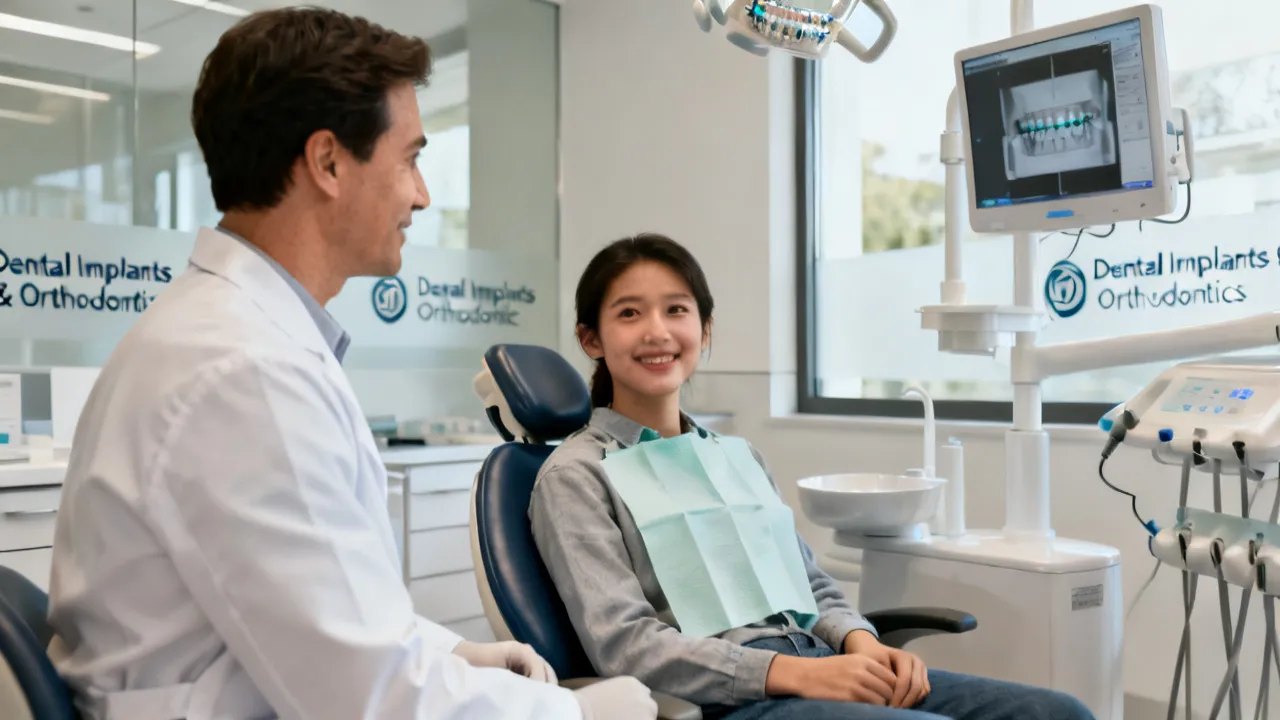
An orthodontic evaluation focuses on alignment, bite, spacing, and how tooth movement affects function and aesthetics. An implant consultation focuses on bone and soft tissue conditions, implant placement feasibility, and restorative design. When implants and orthodontics overlap, the top outcomes usually come from coordinated planning across both areas.
2) Can I get dental implants without addressing orthodontic issues first?
Sometimes yes, depending on spacing and occlusion. However, if your bite or tooth positions are expected to change significantly, implant placement can be sequenced differently to ensure the final crown aligns with your orthodontic outcome. Ask your provider how orthodontic factors influence placement and prosthetic design.
3) How do I compare implant prices between clinics?
Ask for an itemized quote covering imaging, implant fixture, abutment, crown/bridge, surgical fees, grafting (if needed), temporary restorations (if applicable), and follow-up visits. A lower price that omits prosthetics or post-op care is not an equivalent comparison.
4) Are low-cost dental implant websites reliable?
Educational websites can be helpful for understanding cost components and common questions. Still, final pricing and suitability must be determined by an in-person assessment. Use educational content to compare quotes, not to replace clinical evaluation.
5) Does dental insurance typically cover implants?
Coverage varies widely by plan and country, and may differ for consults, imaging, preventive visits, and restorative components. The very accurate approach is to review plan documents and confirm eligibility with the insurer or clinic billing team. Insurance-related guides can help you understand coverage logic, but they cannot guarantee reimbursement for every case.
6) Is dental tourism a good way to reduce implant costs?
For some patients, cross-border treatment can reduce overall expenditure, especially when prosthetic packages are competitively priced. However, you must evaluate continuity of care, clarity of treatment scope, documentation, and how follow-up visits are handled after you return home.
7) What factors very affect the total cost of a single implant?
Common drivers include the need for bone grafting, complexity of placement, imaging requirements, the type of implant system and prosthesis, and the number of follow-up visits and adjustments. Orthodontic coordination (if needed) can also influence overall timeline and cost.
8) How can I lower out-of-pocket spending without compromising safety?
Focus on value-based decisions: request transparent itemized estimates, verify included services, compare clinics based on documented protocols and outcomes, and confirm insurance/financing options. Avoid deals that restrict documentation or provide unclear scope.
9) What should I ask my orthodontist nearby before committing?
- How does your treatment plan coordinate with implant placement if a tooth is missing?
- What diagnostics do you use, and how do they guide both orthodontics and restorative design?
- What is the staged timeline and what could change it?
- Can you provide an itemized estimate and explain possible additional costs?
Practical Next Steps: A Short Plan You Can Use This Week
When you’re ready to move from research to action, use this compact plan to keep decision-making organized.
- Write down your priorities: cost, timeline, aesthetics, and comfort level.
- Collect prior records: any dental imaging, prescriptions, and orthodontic history.
- Contact 2–4 clinics: focusing on an Orthodontist in My Area who can coordinate with implant planning.
- Request itemized quotes: ensure each quote covers comparable components.
- Ask one coordination question: “If implants are needed, how will orthodontic timing affect the implant position and final bite?”
- Confirm follow-up and maintenance: implants require good monitoring.
Disclaimer
1) The above information comes from online resources, and the data is as of October 2023.
2) Dental implant prices are for reference only and may vary by region, clinic and doctor.
Reference Links (All Links Used in the Article)
- https://dentalviews.com/low-cost-dental-implants/
- https://www.atlanticdentalgrp.com/
- https://www.dentavacation.com/
- https://rockvilledentalarts.com/es/
- https://www.cigna.com/es-us/knowledge-center/guide-to-dental-implants
- https://unioncityminidentalimplants.com/es/
- https://www.rubiodonto.com.br/
- https://odontologiavelasco.com.br/
- https://dentalvidas.com.br/