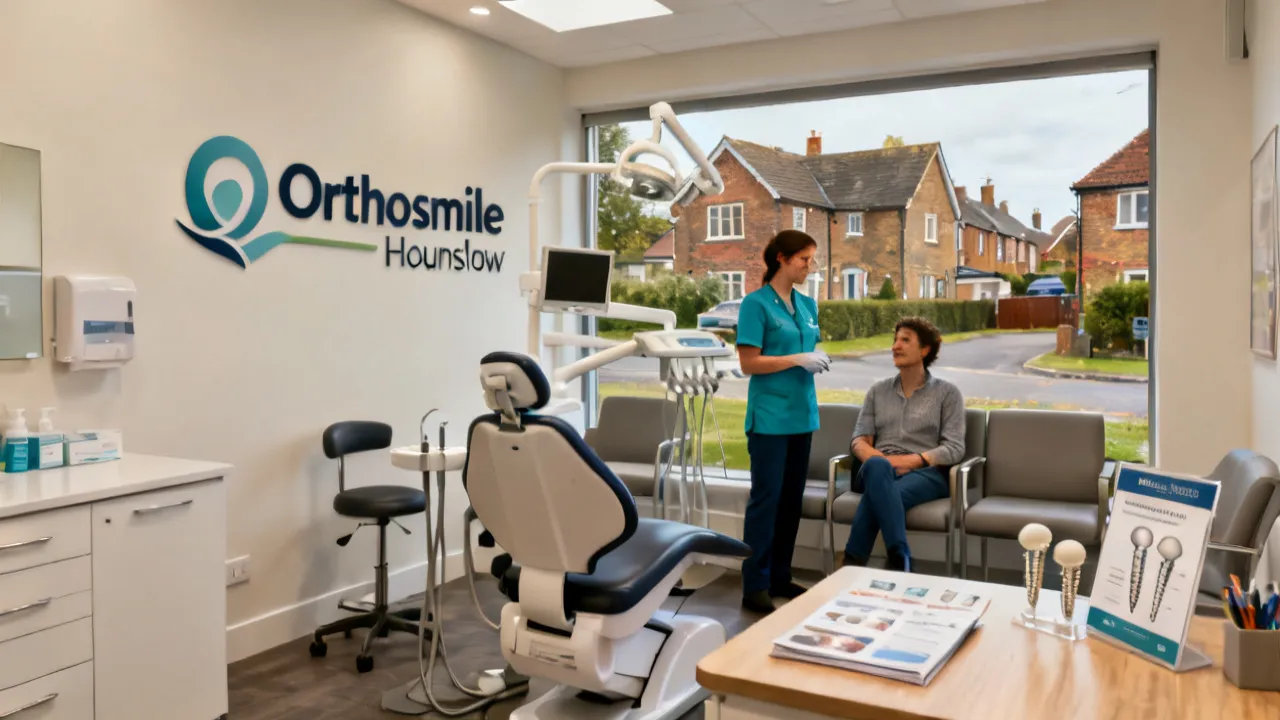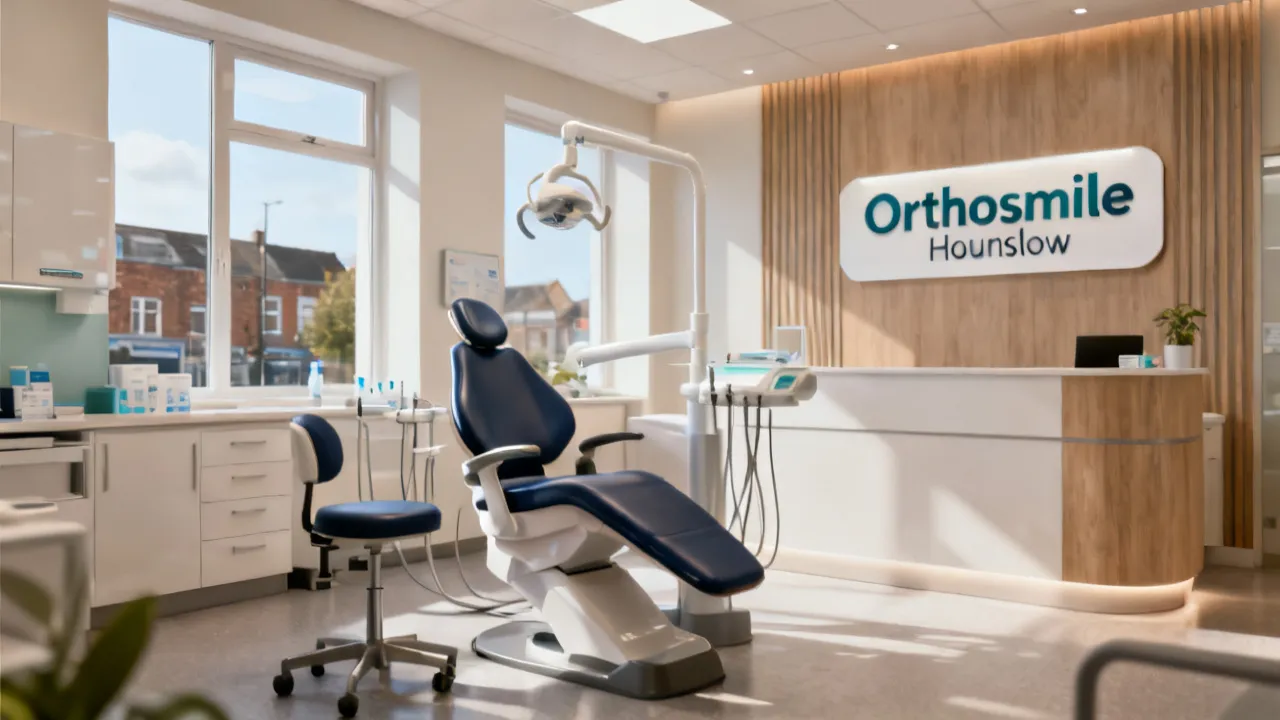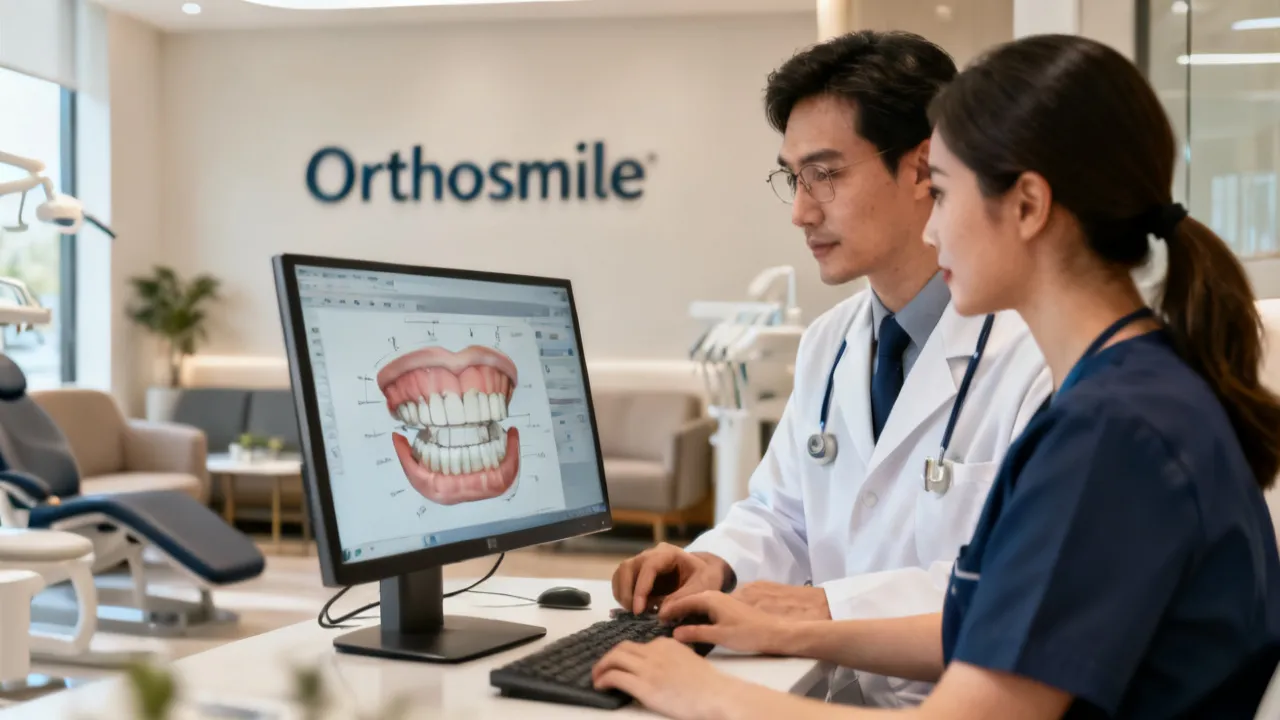
Orthosmile Hounslow: Dental Implants and Care Guide
This guide explains how to evaluate dental implant options with a focus on Orthosmile Hounslow and the practical decision points behind low-cost implant pathways. It reviews clinic services, planning requirements, and cost ranges across English-, Spanish-, and Portuguese-speaking countries, then compares trusted information sources and outlines a step-by-step approach—ending with key FAQs and a clear disclaimer.
Immediate Takeaways: Choosing Orthosmile Hounslow for Implant-Related Care
When patients look for Orthosmile Hounslow, the real question is rarely “Who offers implants?”—it is “Who can plan implants safely for my clinical situation and budget?” Dental implants involve medical judgment, imaging, surgical technique, prosthetic planning, and ongoing maintenance. For many people, cost sensitivity is a starting point, but safety and treatment fit should remain the priority throughout the decision process.
In practical terms, a strong dental implant journey typically includes: (1) a thorough diagnostic work-up, (2) a treatment plan that considers bone, bite, and oral hygiene, (3) a clear breakdown of what is included in the quoted price, and (4) realistic timelines for healing and prosthetic placement. The sections below are structured using an inverted pyramid: the very critical guidance comes first, then the broader context and supplemental resources follow.
Why Dental Implants Need a Structured, Evidence-Based Approach
Dental implants replace missing teeth by anchoring a titanium (or titanium alloy) fixture into the jawbone. The implant then supports a crown, bridge, or denture. While implants are widely used, outcomes depend on multiple factors:
- Bone quality and volume: Adequate bone supports stable integration; low volume may require grafting.
- Overall oral health: Gum disease control and caries management are prerequisites for good success.
- Bite mechanics and prosthetic design: Implant positioning and crown shape influence load distribution.
- Patient habits: Smoking and uncontrolled diabetes can affect healing.
- Maintenance readiness: Implants still require professional cleanings and daily home care.
From an industry perspective, the “low-cost” concept is very defensible when it reflects transparent scope (e.g., fewer steps because anatomy is favorable, or a standardized workflow), rather than unknown shortcuts. A patient should expect to understand what exactly is included—consultation, imaging, extraction if needed, surgical components, abutments, crowns, and follow-up visits.
It can also help to understand that implant success is not a single event; it’s a sequence. A clinic may place an implant successfully and still have poor long-term results if prosthetic design is inadequate, if bite forces overload the restoration, or if hygiene access around the implant is not optimized. Conversely, an implant approach that is slightly more expensive upfront may reduce the need for revisions later by planning better from the beginning.
Structured, evidence-based care therefore often looks like “more steps” on paper—such as digital planning, measurement of bone dimensions, discussion of occlusion, and a schedule of maintenance. That does not automatically mean high cost; it means the clinic is making decisions based on patient-specific data rather than generic assumptions.
Because many patients are comparing options quickly—especially if they have a missing tooth that affects chewing or appearance—it is easy to overlook that the “real” implant process includes both biology and engineering. Biology includes osseointegration (how the bone bonds to the implant surface). Engineering includes implant positioning, prosthetic material selection, screw/ cement design choices, and how the crown contacts the opposing teeth.
What Orthosmile Hounslow Typically Represents in an Implant Decision
Although each clinic’s exact service portfolio differs, a practice referenced by patients as Orthosmile Hounslow is generally associated with professional dental care in a busy, multilingual urban environment. In locations like Hounslow, clinics often encounter a spectrum of needs: replacement of missing teeth, orthodontic alignment, restorative work, and urgent issues that require timely triage. For implant candidates, the immediate benefit of an experienced local clinic is continuity—being able to attend appointments for scans, surgical visits, healing reviews, and prosthetic fitting without excessive travel.
Hounslow and the wider London area also carry a practical advantage for many patients: established referral networks (for imaging, specialists when indicated, or referrals for surgical complexity). For patients who are comparing options across countries or using dental tourism strategies elsewhere, a local provider can serve as the “stability anchor”—particularly for follow-up maintenance.
Another consideration is administrative continuity. Implant care requires multiple visits spaced across months. Appointments for impressions, bite checks, crown cementation (or screw-retained fitting), and subsequent maintenance must be coordinated. A clinic that can manage these steps in-house often provides smoother logistics than a clinic that must repeatedly outsource or relocate the patient’s record trail.
Continuity also matters when complications arise. While complications are not the norm, they can include peri-implant inflammation, prosthetic loosening, discomfort due to bite changes, or issues related to healing. A local team that has the patient’s history can respond faster and with better context than a team seeing a patient for the first time after a distant procedure.
When people ask for “Orthosmile Hounslow,” they are usually not only asking for a price. They are asking for an implant plan that fits their life in Hounslow—time off work, ability to attend follow-ups, and desire for clear communication.
Low-Cost Dental Implants: What “Low Cost” Should Mean
Low-cost options can be legitimate, but they should be interpreted as “cost-effective” with documented clinical rationale. Common ways clinics keep costs down include:
- Efficient treatment planning: Standardized diagnostic pathways and streamlined appointments.
- Favorable anatomy: When bone and spacing allow simpler procedures, total cost can decrease.
- Competitive procurement: Implants and components purchased through established supply chains.
- Clear inclusions: Avoiding hidden fees by quoting bundled packages.
What patients should be cautious about is any quote that cannot explain inclusions, timelines, or what happens if additional treatment becomes necessary (e.g., bone grafting, membrane placement, or repair of a prosthetic component).
A cost-effective implant plan is not a “single price” as much as it is an entire set of decisions. These include: selecting a compatible implant system, ensuring the surgeon has appropriate training, choosing the right abutment type, and deciding whether to use immediate placement, staged placement, or delayed placement. Each choice influences both risk and cost.
It is also worth noting that some “low-cost” marketing may focus on the fixture price while omitting the prosthetic component price. Others may advertise “mini implants” without clearly stating the functional limitations and candidacy requirements. A mature discussion includes both benefits and boundaries.
In addition, “low cost” can be interpreted differently by patients. Some patients mean they want a lower total price. Others mean they want manageable instalments. Still others mean they are trying to avoid additional procedures, such as extensive bone grafting. The clinic should clarify which of these “cost goals” the patient has in mind, because each implies different clinical decisions.
Comparing Information Sources for Low-Cost Implant Planning
To support decision-making, the following table compares websites that publish guidance on low-cost dental implants and related topics such as cost drivers, implant processes, and patient pathways. The intent is informational: patients should use these resources to prepare questions for their clinician, not to self-diagnose.
| Website (Topic Focus) | How It Helps Patients |
|---|---|
| DentalViews (low-cost implant education) | Explains benefits, common procedures, and the cost factors patients often overlook. |
| Atlantic Dental Group (broad clinic services) | Shows how implant-related care fits into general dentistry workflows (cleaning, orthodontics, emergency care). |
| DentaVacation (dental tourism considerations) | Frames cost-comparison thinking for travel-based dental care and planning logistics. |
| ADHP/Related insurance guidance (coverage planning) | Supports patients who want to reduce expenses by understanding insurance options and usage. |
source of table information:
DentalViews
Atlantic Dental Group
DentaVacation
Rockville Dental Arts (Spanish site; includes implant-related clinic context)
When using online guidance, it’s helpful to treat it like a “question bank” rather than a treatment blueprint. For instance, a website may describe that bone grafting is sometimes required. The patient should then ask their own clinician: “Is bone grafting indicated for me, based on my imaging?” Similarly, a website may mention different implant systems or prosthetic choices; the patient should ask which specific system is planned and why.
Another useful method is to write down your own clinical context in plain language. Example prompts: “I lost a tooth 3 years ago,” “I smoke,” “I have gum inflammation sometimes,” “I clench my jaw,” or “I have diabetes.” Clinics often respond better when patients communicate their risk factors clearly. Online materials may help patients recognize what details matter.
Reframing Dental Implant Pathways in Multiple Language Communities
Dental decision-making changes when patients prefer information in their own language. For example, in Spanish-speaking and Portuguese-speaking communities, clinics and informational portals may emphasize multilingual communication, clearer explanation of procedures, and culturally accessible scheduling guidance. Below is an objective rephrasing of how implant-related information commonly appears across these language communities, followed by practical steps for cost-conscious planning.
In many communities, patients may also have social influences that affect care choices. For example, family members might recommend a clinic from personal experience, or a community member might share a story about a “cheap implant” that worked well. This can create both positive motivation and an unrealistic expectation of identical outcomes. Clinicians and patients can bridge this gap by using diagnostic imaging and clear consent discussions that translate generic experiences into patient-specific evidence.
Spanish-speaking countries: practical context
In Spanish-language markets, patients may encounter clinics and educational pages that provide a broad set of services (e.g., implants, whitening, cleaning, orthodontics, and emergency care) and often include bilingual or Spanish-first communication. A clinic example is Rockville Dental Arts, which provides comprehensive dental services and an emphasis on accessible communication for Spanish-speaking patients. In addition, certain providers focus more narrowly on implant subtypes, such as Union City Mini Dental Implants, which targets mini implant solutions for selected clinical scenarios. Beyond clinics, global health insurers publish patient guides that explain implant concepts, risks, and typical stages—helpful for readers navigating terminology and treatment expectations.
Patients in Spanish-speaking contexts may also benefit from translated “treatment stage” explanations. For example, rather than only hearing “implant surgery,” they may need a clear timeline: initial consultation and imaging, potential extraction, surgical placement, healing period, impression and fabrication, placement of the final crown/bridge, and follow-up. When this is communicated in the patient’s language, compliance often improves because patients can plan time off and understand what sensations or signs are expected during each stage.
Cost planning in these settings often involves checking whether an insurer or dental plan offsets the diagnostic phase (exams, x-rays, and specialist consults). The practical aim becomes: reduce cost without reducing necessary diagnostics. The patient still needs enough information to determine whether they are a candidate for standard implants versus another approach.
Portuguese-speaking countries: practical context
For Portuguese-speaking audiences, implant information and services are frequently presented within broader dental care packages (orthodontics, aesthetic dentistry, and implants). Brazilian providers such as Rubi Odonto and Odontologia Velasco are examples of clinics that commonly present implants alongside related services, supported by reviews and modern equipment messaging. Additionally, some companies focus on dental plan structures and networks of clinicians, which can be relevant when patients aim to reduce direct treatment costs through structured coverage and coordinated access to emergency services.
In Portuguese-speaking markets, some patients approach care as a bundle: for example, “I want implants and I also need a new crown or alignment.” That can be effective when it is clinically appropriate and when the plan is staged responsibly. The main risk of bundling is that it can blur which part is medically urgent and which part is elective. A strong clinic plan separates urgency from preference while still making the overall schedule manageable.
Additionally, patients may compare clinics by promotions—such as financing plans. In these cases, it is still important to ask for an itemized breakdown. A financing agreement is not the same as a clinical scope. If a low monthly payment hides exclusions (like follow-up visits, temporary crowns, or additional surgery), patients can be surprised later.
How to Get Dental Implants at Low Cost (Step-by-Step)
Below is a detailed, step-by-step guide designed for patients in English-, Spanish-, and Portuguese-speaking contexts. While the steps are universal, the examples and resources referenced earlier may be especially relevant when you want language-accessible clinic guidance or cost-focused educational material.
Step 1: Confirm candidacy with diagnostic imaging and an oral health baseline
Low-cost plans fail when the diagnosis is incomplete. Request or verify that the clinic performs appropriate diagnostics such as:
- Clinical examination of gums and remaining teeth
- Radiographic imaging (commonly panoramic imaging and, when appropriate, 3D imaging)
- Assessment of bone height/width where implants are planned
If gum disease is present, stabilization may be required before implant placement.
To make this step more actionable, patients can ask for a summary of what the imaging shows. For example: “Do I have adequate bone thickness at the planned implant site?” “Is there sinus proximity risk in my upper jaw?” “Are there nerve considerations in the lower jaw?” “Is my bone quality sufficient to support immediate loading, or is delayed loading safer?” These questions move the discussion from cost to safety.
Also, “baseline oral health” is not just about the implant site. If other teeth have untreated decay, inflamed gums, or poor plaque control, these issues can jeopardize implant success. A cost-effective clinic addresses overall risk, not only the missing tooth.
Patients should also disclose relevant medical history. Implant healing can be affected by conditions like uncontrolled diabetes, immune suppression, certain medications, and lifestyle factors. Some medications (for example, certain bone-modifying drugs) may require special planning. A responsible clinic will ask for this history and document it as part of consent.
Step 2: Ask for a “scope-of-cost” breakdown before accepting a price
When comparing quotes, request a written outline of inclusions. A reliable low-cost quote should specify whether it includes:
- Consultation(s) and diagnostic scans
- Extractions (if needed)
- Surgical components and biomaterials (if grafting is required)
- Abutments and final prosthetic (crown/bridge/other)
- Follow-up visits and post-op monitoring
If the clinic cannot provide this clarity, cost comparisons become unreliable.
A practical tip is to request two numbers: (1) a “baseline package” and (2) a “likely add-ons list.” For example, the baseline could include the implant fixture and crown. The likely add-ons could include bone grafting, a membrane, temporary prosthesis, or additional imaging. Even if the add-ons are only “maybe,” clarity helps you budget.
Patients can also ask about the type of crown material (e.g., zirconia vs. porcelain-fused-to-metal), whether it is screw-retained or cement-retained, and whether there is a warranty for the prosthetic components. A crown material decision can affect both cost and maintenance needs.
Another “hidden cost” category is time. If a low-cost plan requires more visits, the financial cost might still increase when you include travel, time off work, and repeated appointments. A transparent clinic explains visit count and stage length so patients can assess total burden.
Step 3: Explore insurance, membership, and structured coverage options
For eligible patients, insurance or dental plan structures can reduce out-of-pocket expenses. Even when implants are not fully covered, coverage may offset diagnostic steps, cleanings, and certain restorative components. Patient guides from insurers can help people understand what typical documentation is required and how to use coverage correctly.
It’s important to understand that coverage often depends on documentation: treatment codes, specialist reports, radiographs, and pre-authorization. Patients can request help coordinating documentation early. If documentation is delayed, reimbursements can be postponed or denied. A well-organized clinic often has experience with these administrative requirements.
Membership plans may include periodic checkups and cleaning, which are essential after implants. Even if the implant is out-of-pocket, the membership can protect long-term maintenance costs.
When evaluating coverage, ask: “Does the plan cover the consultation and imaging?” “Does it cover restorative components like the crown?” “What is the waiting period?” “Are there annual caps?” “Is there a limit on the number of visits?” and “Which clinics are in-network?” Answering these questions can clarify whether “low cost” is realistic.
Step 4: Consider standardized workflows and staged planning
Some clinics reduce costs by using standardized staging—particularly when the patient has favorable anatomy. However, staged care can also increase total visits. The key is balance: low cost should not come at the expense of adequate healing and appropriate prosthetic design.
Staged planning may include:
- Extraction first, then implants: When the tooth must be removed and bone preservation is needed.
- Bone graft first, then implants: If there is insufficient bone volume.
- Implant placement, then restoration: Waiting for healing before attaching the final crown or bridge.
Where a clinic can legitimately reduce cost is by selecting the simplest safe pathway. For some patients, implants can be placed in a single stage with minimal grafting. For others, a staged approach is medically required. A patient should not interpret “staged approach” as “clinic greed” or “extra charges.” It can be an appropriate response to anatomy and risk.
Another factor is whether the clinic uses digital workflows (such as guided surgery) or conventional planning. Digital workflows can reduce variability and improve implant placement accuracy, though the cost structure differs. Patients should ask what method is used and what benefit they should expect.
Step 5: If pursuing dental tourism, treat follow-up as non-negotiable
Dental tourism can be a strategy for patients seeking affordability, but the plan must address aftercare. Ask:
- What follow-up is included in the package?
- How will complications be handled after you return home?
- Will your records be provided in a usable medical format?
For patients in the UK, retaining a local clinician for maintenance or emergency follow-up may be important—even if initial work was performed abroad.
It is also helpful to understand what “follow-up” should include. For implants, follow-up might include post-op check visits to monitor swelling and healing, suture removal (if applicable), occlusal adjustment checks, and later visits for impressions, temporary restorations, and final prosthetic fitting. Patients should ask for a schedule and confirm how they will be seen if healing is slower than expected.
Records are crucial. A local clinician needs imaging (including type of imaging, e.g., CBCT), implant details, and prosthetic design notes. Without adequate records, local clinicians may need repeat imaging or may face uncertainty about the implant system. That can increase cost and reduce confidence.
If tourism is being considered, it’s also wise to ask about warranty terms. If a crown cracks or a screw loosens, what does the warranty cover, and who pays for follow-up visits and shipping of components?
Finally, consider how time zones, communication barriers, and language differences can affect post-op support. A clinic that offers structured communication (emails, phone calls, clear instructions) can reduce risk.
Step 6: Choose the right implant type for your clinical needs
Implant “types” (e.g., standard implants vs. mini implant options) are not interchangeable. Mini implant pathways may be suitable in selected cases, but candidacy depends on bone support and functional requirements. Ask your clinician why a specific option matches your anatomy and bite mechanics.
Mini implants can be less invasive in certain scenarios, and they are sometimes chosen for cost reasons. However, they may not be suitable for all bite forces or for every prosthetic design. The key question is: “What is the functional load plan?” In other words, how will chewing forces be managed to protect the implant and surrounding bone?
For some patients, full-size implants provide better long-term stability and options for crown design. For other patients, a mini implant may be an acceptable compromise when bone quality or anatomy is limited, and when the prosthetic plan is designed accordingly.
Patients should also ask about the number of implants needed and whether the prosthetic is removable or fixed. Removable prostheses may simplify maintenance for some patients, while fixed restorations may better mimic natural tooth function and appearance. Each choice has cost, hygiene implications, and comfort implications.
Step 7: Plan for good maintenance costs
Implants are durable, but they are not maintenance-affordable. Budget for periodic professional cleanings and monitoring—especially in the first year after placement.
Maintenance is not only about cleaning. It also includes:
- Monitoring peri-implant tissues for inflammation or bone changes
- Checking crown fit and occlusion (how the implant feels during biting)
- Assessing the integrity of abutments and prosthetic screws or cement interfaces
- Recommending or providing hygiene tools (interdental brushes, water flossers, special brushes)
In cost planning, the question is not “Will I pay for maintenance?” but “How much maintenance will I need, how often, and what is included?” A clinic that includes a follow-up maintenance plan can be easier to budget than a clinic that charges separately for each post-implant check.
Additionally, patients should discuss what happens if plaque control is difficult. If anatomy makes hygiene difficult—such as deep implant positions or challenging crown contours—the clinic may need to design a restoration that is easier to clean. That may slightly increase prosthetic cost but improve long-term health.
Typical Cost Ranges for Individual Dental Implants (By Country/Region)
The following cost ranges are presented for individual dental implants only across selected language contexts. These values are reference ranges commonly cited in market summaries; they do not include every possible clinical variable. The final price can differ based on procedure complexity, prosthetic selection, and whether additional procedures are required.
| Country | Currency | Price Range |
|---|---|---|
| United States (US) | USD ($) | $3,000 - $6,000 |
| United Kingdom (GB) | GBP (£) | £2,000 - £2,500 |
| Australia (AU) | AUD (AU$) | AU$3,500 - AU$6,500 |
| Canada (CA) | CAD (CA$) | CA$3,000 - CA$5,500 |
| Spain (ES) | EUR (€) | €1,500 - €2,500 |
| Chile (CL) | CLP (CLP$) | CLP$800,000 - CLP$1,500,000 |
| Mexico (MX) | MXN ($) | $15,000 - $25,000 |
| Colombia (CO) | COP (COP$) | $2,000,000 - $4,000,000 |
| Peru (PE) | PEN (S/) | S/ 3,000 - S/ 6,000 |
| Argentina (AR) | ARS ($) | $80,000 - $150,000 |
| Brazil (BR) | BRL (R$) | R$3,000 - R$8,000 |
| Portugal (PT) | EUR (€) | €1,000 - €2,000 |
Because these ranges can vary widely, it’s useful to ask for a cost “model” from the clinic. For example: “What portion of the quote is implant fixture vs abutment vs crown? What portion is surgery vs diagnostics?” When patients can visualize the cost structure, it becomes easier to challenge ambiguity and ask meaningful questions.
Also, consider that an implant “price” often differs from an implant “package price.” A package may include extraction, temporary restoration, bone grafting, imaging, and follow-ups. If you compare only the fixture cost, you can end up with an apparent bargain that becomes expensive after add-ons.
Clinical and Administrative Conditions That Affect Final Implant Cost
When patients in or near Orthosmile Hounslow ask about affordability, the conversation should quickly move from numbers to conditions. Below are the main factors that can change cost and timeline:
- Extraction needs and timing: Sometimes implants can be placed after extraction in a planned sequence; sometimes delayed placement is necessary.
- Bone grafting or sinus considerations: Add-on procedures may be recommended for certain anatomical scenarios.
- Quantity and distribution: A single implant differs from multiple implants and bridges.
- Prosthetic choice: Crown materials and design choices can affect price.
- Complexity of implant placement: Surgical technique and risk assessment drive time and resource use.
To make these cost drivers more tangible, consider a few typical patient scenarios:
- Scenario A: Missing tooth with good bone: If imaging shows adequate bone volume and no significant gum inflammation, the pathway may involve fewer add-ons. Total cost can be closer to the quote.
- Scenario B: Missing tooth with bone shrinkage: The patient may need bone grafting or a guided approach. This can increase cost and timeline but may be necessary for long-term stability.
- Scenario C: Multiple missing teeth: A bridge may require implants at specific spacing. The total number of surgical sites and prosthetic complexity changes the price significantly.
- Scenario D: Reduced oral hygiene or active gum disease: Treatment of gum inflammation might come first. This is not optional; it impacts implant survival.
Administrative factors can also influence cost. For example, some clinics include imaging in the quote, while others require separate payments for scans. If you are comparing clinics, confirm whether imaging is bundled. Also check if sedation or anaesthetic options are included or separately priced.
Another administrative variable is payment structure. Some clinics provide instalments; others offer a “package” with upfront payment discounts. While payment method can reduce financial strain, it doesn’t change the clinical scope. The patient should still demand transparency.
How to Ask Better Questions During a Consultation (Expert Checklist)
One of the highest-impact steps for controlling costs is improving the quality of information before treatment begins. Consider asking:
- What imaging will be used, and what decision will it inform?
- What is included in the quote (components, crowns/abutments, follow-up)?
- What additional procedures might be needed, and how are they priced?
- What is the expected healing timeline and number of visits?
- How does the clinic manage complications or prosthetic adjustments?
- Which implant system/components are used and why?
This approach helps align expectations and reduces the chance of surprise expenses later.
To make this checklist even more practical, patients can request the clinician to explain “decision thresholds.” For example: “Under what circumstances would you recommend bone grafting?” “How would you confirm whether I can have immediate placement?” “If the implant stability is not sufficient, what is the backup plan?” Asking about thresholds can reveal whether the clinic uses consistent criteria and whether they are planning responsibly rather than improvising during surgery.
Patients should also ask about comfort and anesthesia. Implant surgery can be performed with local anaesthesia, and sometimes additional sedation is offered depending on clinic policies and patient anxiety. If sedation is offered, ask what it includes, what aftercare is required, and whether it has an extra fee.
Finally, ask about warranty and support. A clinic should clarify warranty timeframes for both surgical components and prosthetic restorations. While warranties vary, the fact that a clinic addresses this openly is a positive sign.
Orthodontics and Implant-Adjacent Care in Hounslow: Where They Intersect
Some patients searching for Orthosmile Hounslow may also have orthodontic concerns. Orthodontics can influence implant success indirectly by affecting spacing, occlusion, and tooth movement. In certain cases, alignment work may be scheduled before implant placement to optimize bite forces and prosthetic aesthetics.
For example, clinicians may coordinate planning when patients have missing teeth that also affect alignment. In urban UK settings, coordination among providers can be more feasible when patient records are organized and shared. The key is an integrated treatment plan rather than treating orthodontic and implant issues as separate, unconnected events.
When orthodontics and implants intersect, the timing matters. If you place implants too early, moving adjacent teeth may create stress on the implant-supported crown or alter spacing, potentially requiring redesign. If you delay too long, the patient may suffer from prolonged functional issues or aesthetics concerns. A well-planned sequence can reduce total treatment time and avoid repeated prosthetic adjustments.
Questions to ask when orthodontics is involved include: “Is orthodontic treatment needed before implant placement?” “If yes, what is the expected timing of braces aligners before surgery?” “Will implant placement change orthodontic biomechanics?” “How will the restoration be designed to accommodate tooth movement?” These questions may not always have a single straightforward answer, but a clinic should provide a logic-based plan.
FAQs About Low-Cost Dental Implants and Clinic Selection
1) Are low-cost dental implants always less safe?
No. “Low cost” can be achieved through efficient care pathways, favorable clinical anatomy, or transparent bundled packages. Safety depends on diagnostic quality, appropriate surgical/prosthetic planning, and follow-up—not on price alone.
However, patients should distinguish between “safe and cost-effective” and “cheap and under-scoped.” Under-scoping can manifest as missing diagnostics, unclear inclusion terms, lack of follow-up plan, or inadequate prosthetic design information. When safety is compromised, cost savings are often temporary.
2) What does the quoted price usually include for an implant?
It varies by clinic. A patient should request a breakdown that clarifies whether it includes imaging, surgery, implant fixture, abutment, and the final prosthetic crown/bridge, plus follow-up appointments.
It can also help to ask whether temporary restorations are included if you are not getting a final crown immediately. Temporary solutions may be necessary for comfort and function during healing or lab fabrication time.
3) Why do prices differ so much between countries?
Differences can come from operating costs, local supply chain pricing, clinician fees, regulatory and insurance structures, and the scope of included services. Even within the same country, complexity and needed add-ons can change total cost.
Another reason is practice model. Some clinics focus on high-volume standardized care; others provide more bespoke planning. The patient may still get excellent care either way, but “low-cost” should be checked against the promised scope.
4) If I choose a dental tourism route, what should I prepare for?
Plan for post-treatment monitoring. Confirm what follow-up is included in the package, whether digital records will be provided, and how you will receive emergency care if complications occur after you return home.
Preparation should also include a list of your medications, your post-op instructions, and the implant/prosthetic details. If you can, keep printed copies and digital copies of all documents. This reduces friction if you need an urgent visit on your return.
5) Mini dental implants are always cheaper—should I ask for them?
Mini implants may be appropriate for some patients, but not all. Suitability depends on bone quality, functional requirements, and prosthetic needs. Ask your clinician why a mini implant approach fits—or why a standard implant is recommended instead.
It is wise to ask about expected longevity and maintenance requirements for the mini-implant prosthesis you might receive. The cheapest option is not always the most durable for the specific bite forces you place on it.
6) Can orthodontics affect my implant outcomes?
Yes, in some cases. Orthodontic alignment can influence occlusion and spacing, which may affect implant loading and prosthetic fit. Coordination between orthodontic and implant planning can improve overall results.
Clinically, this often means designing the implant restoration to complement the planned bite and facial aesthetics rather than treating the implant in isolation.
7) How long do dental implants take from planning to final tooth?
Timelines vary. After placement, there is typically an osseointegration/healing period before prosthetic restoration. Your clinician should provide a staged timeline and explain what happens at each visit.
When discussing timing, ask whether you can have a temporary tooth during healing (if appropriate) and how long the lab fabrication will take. Delays in impressions or lab turnaround can extend timelines. A transparent clinic will manage expectations and communicate changes promptly.
8) What signs suggest I should seek urgent dental review after implant placement?
Examples include persistent severe pain, increasing swelling, fever, unusual discharge, or symptoms that worsen rather than improve. Contact your clinician promptly if concerns arise.
Patients should also clarify whether to contact the implant provider directly or their local dentist/urgent dental service. Having a clear contact plan reduces panic and avoids delays in intervention.
Conditions/Requirements When Seeking Low-Cost Solutions
To keep affordability realistic, patients should consider the following practical requirements:
- Readiness for diagnostics: Very “low cost” pathways still require appropriate imaging and assessment.
- Documentation and consent: Clinics should provide clear consent forms and treatment explanations.
- Clear maintenance plan: You should leave the clinic with instructions for hygiene and follow-ups.
- Structured escalation: If additional procedures are needed, there should be an agreed plan for pricing and timing.
Another requirement is realistic expectations about outcomes. Implants can restore function and aesthetics, but individual healing varies. A patient should ask how variations are handled—e.g., if healing is slower, if additional grafting becomes necessary, or if prosthetic adjustments are required.
Also consider your own capacity for home care. Even with the best surgical planning, inadequate home hygiene can lead to inflammation and long-term issues. If you know you struggle with interdental cleaning, discuss that early so the clinic can recommend accessible tools and designs that make hygiene realistic.
Where Online Guidance Fits: Preparing for Your Orthosmile Hounslow Appointment
Online resources are useful for forming questions, comparing types of services, and understanding the cost drivers behind dental implants. However, a local consultation remains the definitive step because it translates general knowledge into personal clinical decisions. For patients near Orthosmile Hounslow, the very effective approach is to arrive prepared: bring a list of questions, request a transparent quote breakdown, and confirm the clinic’s follow-up and maintenance expectations.
If language accessibility is a factor—common across London’s diverse communities—patients may also benefit from providers or informational material in their preferred language. Clear communication reduces misunderstandings about scope, timelines, and aftercare requirements.
To prepare well, patients can bring:
- A list of current medications and medical conditions
- Any previous dental imaging they have (if available)
- A note of symptoms (pain timing, gum bleeding frequency, chewing difficulties)
- Questions about cost inclusions and the plan if add-ons become necessary
Preparation can also include thinking about priorities. Ask yourself: is your primary goal appearance, chewing efficiency, or affordability? When priorities are clear, the clinic can tailor the treatment plan more effectively. For example, the prosthetic design can be adjusted to meet aesthetic priorities, while the surgical pathway can be chosen to meet budget constraints—within safe boundaries.
Reference Links (as cited in the article)
https://dentalviews.com/low-cost-dental-implants/
https://www.atlanticdentalgrp.com/
https://www.dentavacation.com/
https://rockvilledentalarts.com/es/
https://unioncityminidentalimplants.com/es/
https://www.cigna.com/es-us/knowledge-center/guide-to-dental-implants
https://www.rubiodonto.com.br/
https://odontologiavelasco.com.br/
https://dentalvidas.com.br/
Disclaimer
1) The above information comes from online resources, and the data is as of October 2023.
2) Dental implant prices are for reference only and may vary by region, clinic and doctor.