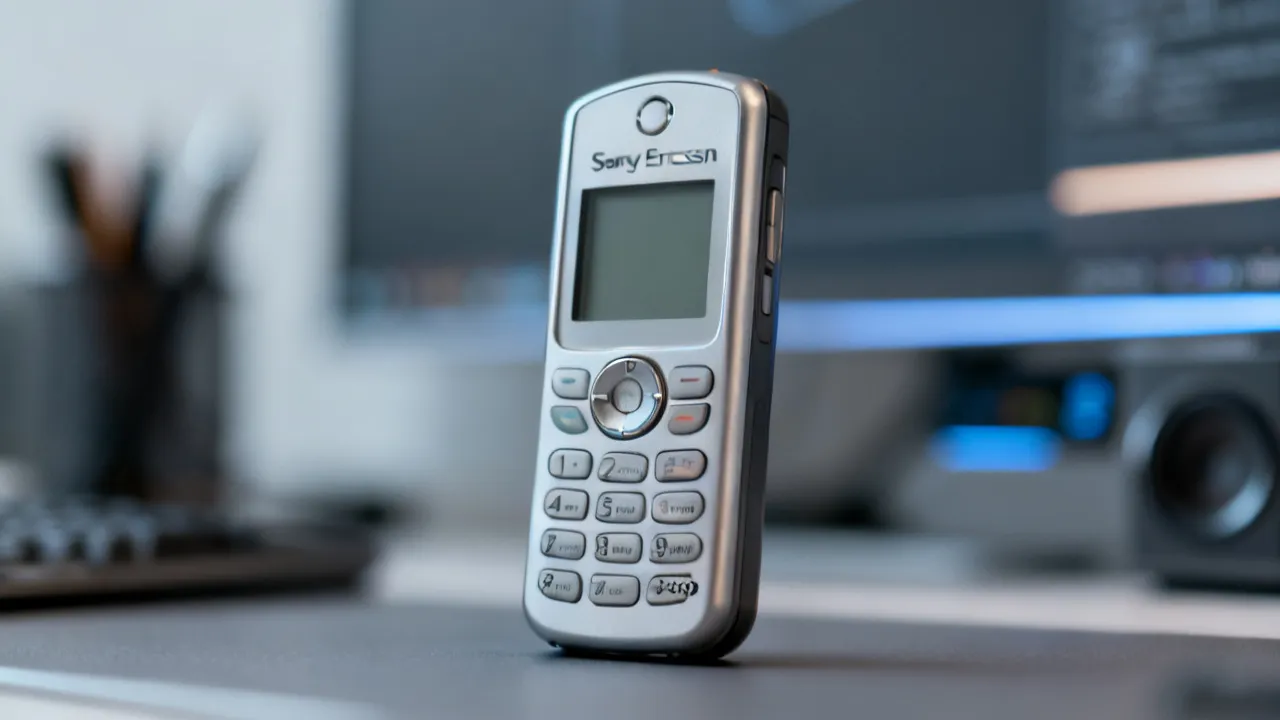
Sony Ericsson Z550i and Government Phone Programs Guide
This guide explains how the Sony Ericsson Z550i fits into modern connectivity needs and how applicants can pursue government-supported phone services through major Lifeline-type providers. It objectively reviews the Z550i’s capabilities as a classic feature phone and contrasts them with today’s subsidized plan offerings, eligibility rules, application workflows, and practical device considerations.
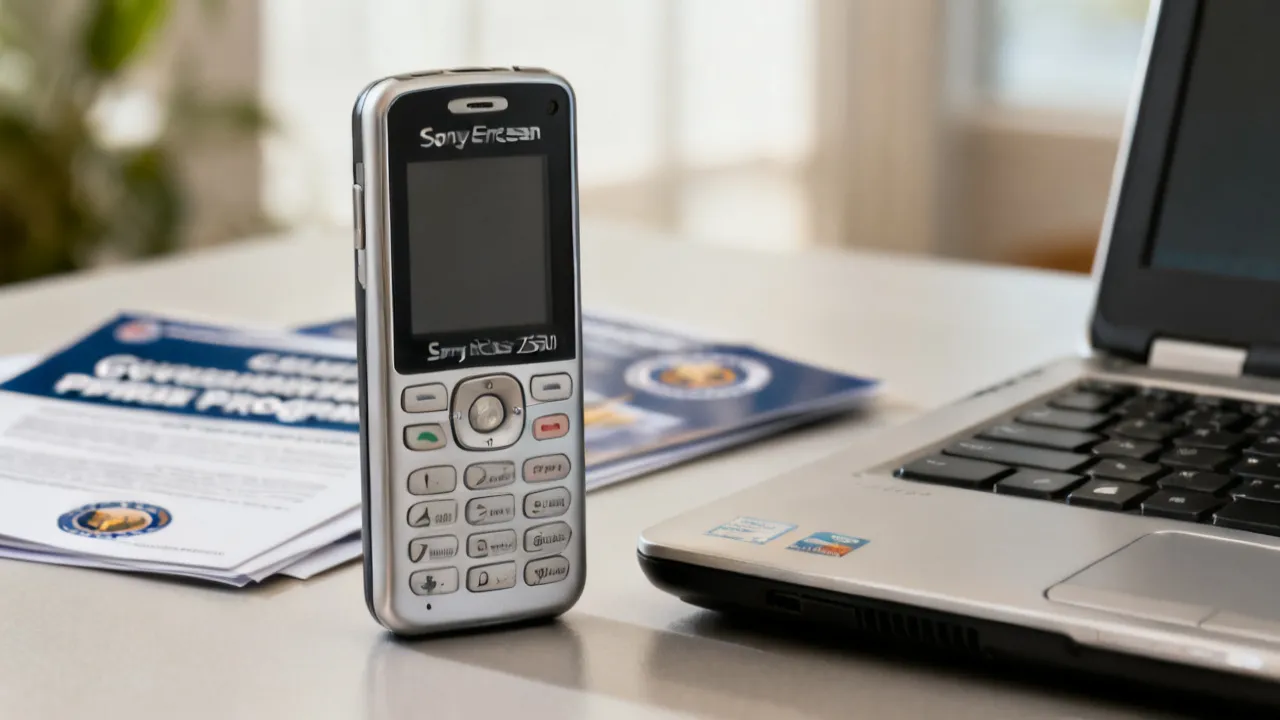
1) Key takeaways for choosing a Sony Ericsson Z550i under government-supported phone services
If you are considering the Sony Ericsson Z550i while exploring government-supported wireless programs, the very important step is confirming whether your preferred device is compatible with the specific provider’s network and program rules. Programs such as Lifeline-style offerings can include handset options or bring-your-own-device (BYOD) pathways, but the final outcome depends on verification, network support, and provider policy.
From an industry-expert perspective, the Sony Ericsson Z550i is best understood as a legacy feature phone. That matters because “legacy feature phone” generally means the device can do core tasks such as calling and texting well, but it may not match modern smartphone capabilities. Even more importantly, it may face compatibility limitations with current networks and provisioning systems. This can affect whether the handset can be activated under a specific subsidized program, not simply whether the phone is physically functional.
So the “top plan” strategy is to (1) identify the provider that supports your desired service profile, (2) confirm device eligibility (if BYOD is allowed), and (3) compare included benefits and any optional cost add-ons. In practical terms, this means you should treat the Sony Ericsson Z550i as something you must validate with the provider before you invest time and effort into the application process. If you discover late in the process that the phone cannot be activated, you might have to switch to a different handset option, delay activation, or accept a plan change that doesn’t align with your expectations.
Another key takeaway is that government-supported wireless programs are not all identical. They may share a common goal—reducing monthly cost for eligible households—but providers often differ in terms of supported device types, plan configurations, and activation policies. Therefore, even if one provider allows a BYOD feature phone, another provider may restrict BYOD or require a particular model family. This is why you should not assume universal compatibility based on general program descriptions.
Finally, consider your own usage pattern. If your needs are primarily voice calls, SMS, and the occasional low-data task (such as simple messaging apps that work over lightweight data connections), a feature phone like the Sony Ericsson Z550i can still be a reasonable tool—provided it can be activated. If, however, you need reliable map navigation, frequent email sync, or modern app experiences, then the limitations of older devices become a bigger barrier. In those cases, you may want to explore whether your provider offers a subsidized smartphone option instead of relying on a legacy handset.
2) Where the Sony Ericsson Z550i fits in today’s wireless environment
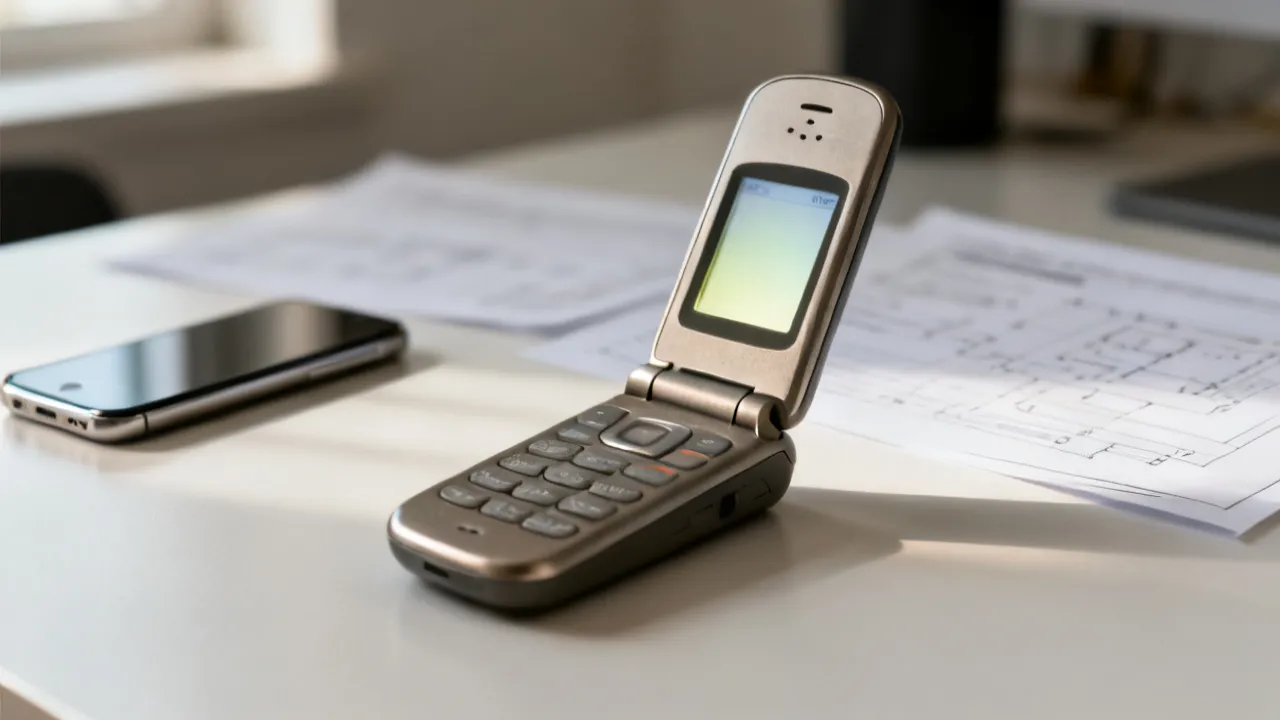
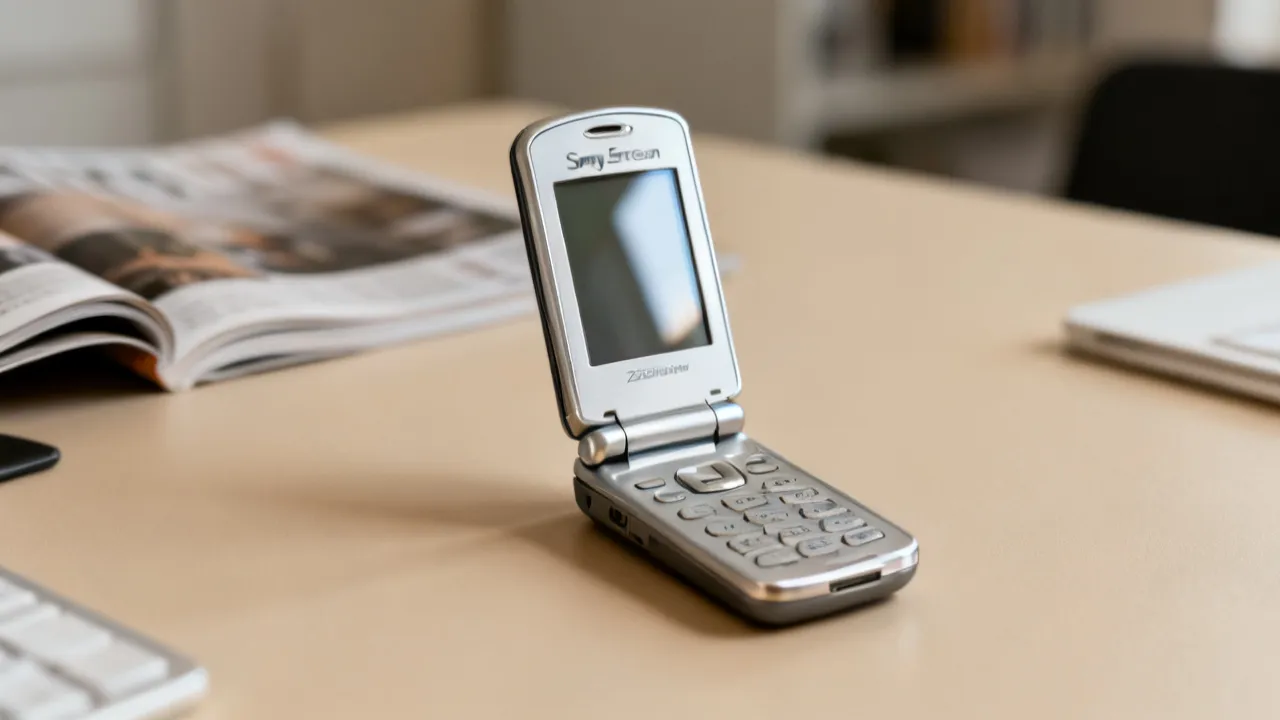
The Sony Ericsson Z550i is a classic feature phone known for basic mobile communication and a compact form factor. In practical terms, devices of this era usually emphasize:
- Voice calling and SMS as core functions.
- Moderate connectivity depending on network generation support in the region.
- Limited data experience compared with current smartphones, which affects app usage and browsing.
Because wireless networks evolve, older devices may run into one or more constraints: updated network authentication requirements, provisioning differences, carrier-side backend updates, or limited support for modern plan configurations. This does not automatically make the Sony Ericsson Z550i unusable; it simply means you should treat compatibility checks as essential rather than optional.
To understand why, it helps to separate two concepts: “radio compatibility” and “activation compatibility.” Radio compatibility is whether the phone’s hardware can connect to the network (for example, whether it can talk to the right frequency bands and cellular technologies). Activation compatibility is whether the carrier’s automated systems, provisioning databases, and policy rules allow that specific handset (or its IMEI) to be registered and used on the account under the chosen program.
An older handset could theoretically be “radio compatible” in a broad sense but still be rejected during activation if the carrier’s system does not recognize it or if the phone lacks the correct software configuration for the plan. Some carriers also enforce device compatibility lists, even for feature phones, to reduce activation failures and fraud risk. Therefore, the ability to use the phone is best evaluated through provider confirmation rather than assumptions.
In addition, even if activation succeeds, service experience can vary. Network changes can affect call quality, SMS delivery timing, and data session stability. For example, feature phones often have limited browsing engines, limited memory, and older security handling. That can influence the kind of websites or web-based services you can access reliably. Many modern websites expect TLS/cipher capabilities and browser features that older devices do not support. As a result, browsing can become slow or fail entirely—even though the phone is technically connected to the network.
Another point is that some program plans emphasize limited high-speed data, then transition to slower speeds. A feature phone like the Sony Ericsson Z550i may not fully benefit from any high-speed allotment because the device itself may not have the same data handling performance as newer phones. Therefore, when comparing plans, you should consider whether any included data is practical for your needs, rather than merely checking whether “data is included.”
To use the Sony Ericsson Z550i in a government-supported setting smoothly, the ideal scenario is: the provider explicitly supports that device model for BYOD (or for the relevant plan), and the plan’s network and provisioning settings align with what the handset can authenticate and use. If those conditions are not met, you may encounter repeated activation attempts, account-level restrictions, or an outcome where the SIM card works but the handset fails to register fully.
3) An objective overview of government-supported phone programs (Lifeline-style)
In the United States, government-supported wireless assistance is commonly delivered through Lifeline and related structures that help eligible households reduce monthly service costs. While program branding varies by provider, the underlying concept is similar: qualified participants receive discounted service, and in some cases, a participating handset is provided.
From a compliance and consumer-protection standpoint, the very reliable decisions come from reading each provider’s official eligibility and device-policy pages rather than relying on third-party anecdotes. The reason is straightforward: device compatibility, allowed plan features, and required documentation can vary by provider. Even within the same general program category, policies can differ at the carrier level and at the state level.
It is also useful to understand the broader structure that typically surrounds these programs. Generally, an eligible household applies, documentation is verified, and then the household receives the subsidized wireless service. Many programs use a combination of eligibility categories (such as enrollment in certain public assistance programs) and income thresholds. The program’s administrative systems ensure participants meet eligibility requirements and also include compliance rules to prevent duplicate benefit receipt.
When it comes to the device, some providers use a “program handset” model (a list of feature phones and/or smartphones that are preconfigured to work on their networks). Others support BYOD (bring your own device), which can include feature phones but still depends on the provider’s supported device list and provisioning workflow. A legacy handset like the Sony Ericsson Z550i might fall into either category depending on the provider: it may be unsupported, supported under BYOD, or supported only under specific plan types.
Because eligibility and device rules can change over time, an objective approach is to treat the program as a set of rules that you confirm directly before acting. This means checking: (1) whether the provider currently accepts BYOD, (2) whether your device model is included in any supported device list, (3) what the activation steps are, and (4) what the plan includes. Doing these checks early can save time and prevent frustration.
Additionally, government-supported programs often aim to ensure service continuity. For example, if you activate and later fail to recertify eligibility, your service may be discontinued. So, beyond handset compatibility, your long-term “fit” with the program includes your ability to maintain compliance documentation and respond to provider notices.
In summary, Lifeline-style programs can be a strong option for reducing cost, but they are rule-bound and carrier-specific. An objective evaluation respects those rules and avoids assuming that a specific model such as the Sony Ericsson Z550i will be usable without provider confirmation.
4) Comparison table: official provider sites and what their programs typically include
The table below summarizes where to start, the kinds of services typically included, and whether additional charges may apply for optional add-ons. This is a high-level comparison, not a guarantee that a specific device model (such as the Sony Ericsson Z550i) will be supported under every pathway.
| Provider (official program page) | Typical services included in program | Potential additional package costs |
|---|---|---|
| SafeLink Wireless | Often includes discounted service with text, calls, and data allowances depending on plan and state; may offer a handset option or BYOD where allowed | Optional upgrades (premium devices or added data) may cost extra |
| Assurance Wireless | Often includes a discounted Android smartphone option and unlimited talk/text; data allowances vary by plan | Optional upgrades for more high-speed data or specialized services may cost extra |
| StandUp Wireless | Typically includes discounted service with unlimited talk/text and data plans; may provide a smartphone or allow BYOD where supported | Premium phone upgrades or extra data can involve added fees |
| Access Wireless | Typically includes unlimited voice and text and limited high-speed data benefits; may leverage program discounts | Data boosts and device upgrades may involve fees |
| True Wireless | Often provides government-supported handset access along with voice and data plans where eligibility is met | Optional upgrades for better devices or additional data plans may cost extra |
Source of the information shown above:
https://www.safelinkwireless.com (source)
https://www.assurancewireless.com (source)
https://standupwireless.com/ (source)
https://www.accesswireless.com (source)
https://www.gotruewireless.com/ (source)
When you use this table while considering the Sony Ericsson Z550i, the most important practical takeaway is: the “services included” may not be the limiting factor. The limiting factors are often (a) whether BYOD is offered for your device model, (b) whether the plan supports feature phones (or only smartphones), and (c) whether activation systems accept that IMEI for your program.
Some programs also offer “device upgrade” concepts where you can replace an included handset with a different model (or upgrade to a smartphone). That might be relevant if you start with a feature phone like the Sony Ericsson Z550i but later decide you need a more modern experience. But those upgrades can come with extra costs. So you should treat upgrades as optional rather than assumed.
Also, consider that the availability of certain handset models can change. A provider might adjust its catalog based on supply, network changes, or policy updates. That means even if a feature phone was supported in the past, a later policy update could affect current eligibility or compatibility. This is another reason to confirm with the provider during the enrollment timeframe, not just based on older posts or screenshots.
In addition, some providers may offer different plan configurations by region (state-by-state). A plan in one state may have different speed tiers, data inclusions, or activation restrictions compared with another state. Since Lifeline-style programs often rely on state-specific implementation, you should verify what plan you will receive in your location.
5) Eligibility conditions and requirements (how applicants generally qualify)
While program details can vary by provider and state, many Lifeline-style programs share common eligibility themes. The very frequently cited criteria include:
- Income threshold: household income at or below a specified percentage of federal poverty guidelines (often referenced as 135% for Lifeline-type support).
- Alternative qualifying programs: participation in assistance programs such as Medicaid, SNAP, SSI, and FPHA (or comparable eligibility categories depending on provider).
- Additional support structures: some programs reference enrollment-based eligibility pathways and/or separate thresholds for additional affordability initiatives.
- Tribal lands considerations: residing on Tribal lands may offer added benefits under program rules.
For broader context on Lifeline, eligibility, and program administration, readers may also benefit from reviewing the program overview and verifier guidance through official government channels. (See reference links at the end.)
From a practical perspective, eligibility is only half of the story; device compatibility is the other half. Applicants often focus heavily on the paperwork requirements and then overlook that a different device choice may be required by the carrier. For someone specifically asking about the Sony Ericsson Z550i, this means you should think of eligibility as “permission to enroll” and device compatibility as “permission to activate your chosen handset.” Both must line up.
Another practical detail is that documentation quality matters. Programs may reject blurry scans, missing pages, or documents that do not match the application’s household details. If you have chosen to bring your own device (BYOD), you may end up with additional steps if activation fails due to device policy. Therefore, the best approach is to keep your eligibility documents organized and your device details ready, so you can move quickly once you are approved.
It can also be helpful to understand the concept of “household” as used by these programs. In many cases, the term refers to people who share income and living arrangements. Your application should reflect the correct household size and household details. Errors here can cause verification problems or require you to correct and resubmit.
If you live on Tribal lands, you may have additional considerations. Some programs have specific procedures or benefits that apply to households in those areas. If you are in that category, you should check provider guidance carefully to ensure your application and supported services align with your location.
6) Step-by-step application workflow (what to expect)
Below is a typical, provider-agnostic workflow. Treat it as a planning checklist rather than a guarantee—each company may have specific document requirements or submission steps.
Step 1: Choose your path—handset option or device you already own
Decide whether you want a provider-provided handset or you plan to use an existing device such as the Sony Ericsson Z550i. If BYOD is available, compatibility checks become crucial.
- If you choose a provider handset, your selection process may be simpler, because the handset is already intended for that carrier ecosystem.
- If you plan to bring the Sony Ericsson Z550i, you should verify network compatibility and whether the program supports that device model or its configuration.
When you verify compatibility, it is best to check more than one dimension. Do not only ask “will the SIM fit” or “does it have service in general.” Instead, ask questions like: (1) Is this model supported for BYOD activation on your network? (2) Do you accept feature phones under the program plan? (3) What specific activation steps are required? (4) Is there a supported IMEI list or device model list?
Step 2: Confirm your eligibility category
Gather information that corresponds to your situation—income documents or proof of participation in qualifying programs.
One reason this step matters is that eligibility verification is time-sensitive. If you obtain documents late or submit incorrect information, your approval may slow down. Plan ahead so that you can submit complete documentation without last-minute scrambling.
Step 3: Complete the online application
Very providers accept applications online. You will typically enter household information, contact details, and the relevant eligibility basis.
As you fill out the form, double-check entries for accuracy. Many verification systems are sensitive to differences between what is on the documents and what is entered in the application. For example, spelling differences in names, missing digits in identification numbers, or incorrect address formatting can trigger delays or require corrections.
Step 4: Submit documentation for verification
After the initial form, many programs require document upload or verification via a national verifier process. Incorrect, incomplete, or unreadable documents can slow approval.
If your household is planning to activate the Sony Ericsson Z550i through BYOD, it can be wise to also gather device information at this stage. For example, keep the phone’s IMEI number accessible (the unique identifier used for activation). Having it ready can streamline the conversation with support if you need to confirm device status or troubleshoot activation issues.
Step 5: Activate service (and check device readiness)
Once approved, you may receive activation instructions. If the device is newly issued, activation steps often come with the handset. If you bring the Sony Ericsson Z550i, activation may require additional steps to confirm service provisioning.
Activation can include inserting a SIM, updating network settings, performing a device reboot, and sometimes confirming APN or messaging settings. For feature phones, there can be a wider variation in how quickly settings populate automatically. Therefore, you should be prepared for the possibility of needing minor configuration steps—especially if data features are limited.
Step 6: Maintain compliance to avoid interruptions
Assistance programs can have recertification requirements. Staying current with provider notices helps reduce the chance of service interruption.
Another aspect of “maintain compliance” is ensuring that your contact information remains up to date. If the provider tries to reach you for verification or recertification reminders and you cannot receive those messages, you may miss deadlines. Keeping your phone working reliably is part of compliance, which is another reason to confirm that your device—such as the Sony Ericsson Z550i—is stable for at least basic voice and SMS receipt.
7) Practical device guidance: can a Sony Ericsson Z550i work with these programs?
Whether the Sony Ericsson Z550i can be used depends on the program structure and carrier-side provisioning rules. From an expert viewpoint, consider these decision points:
- Network compatibility: verify that the device supports the relevant network bands and authentication method used by the provider.
- Provisioning support: some devices may not be supported for activation through automated systems even if they are physically functional.
- Account and plan match: some program plans are configured for specific device types (e.g., smartphones), while others may allow broader BYOD—this varies by provider.
- User needs: if your primary need is voice calling and SMS, a feature phone can be sufficient; if you require modern data-based services, consider that older devices may limit usability.
In practice, many applicants use either:
- a provider-selected handset designed for program activation, or
- a BYOD strategy after confirming device compatibility through the provider’s guidance.
To address the specific question—can a Sony Ericsson Z550i work?—the truthful answer is: it can work in some cases, but it is not universally guaranteed. The determining factor is whether the provider supports BYOD feature phones for the plan you are enrolling in, and whether that support includes your exact device model.
Here are the practical checks you should do if you want to try BYOD with the Sony Ericsson Z550i:
- Confirm BYOD availability: Some providers accept only certain device categories or only certain handsets for program enrollment.
- Find the supported device list: Many carriers maintain a list of compatible devices. If the Z550i is not on the list, you might still attempt activation, but success is less likely.
- Ask about SIM and provisioning: Some phones may require a particular SIM type or may not provision properly if network parameters differ.
- Verify that SMS and voice are enough for you: If the phone can register voice and SMS but struggles with data, evaluate whether this still meets your needs.
- Check for any program restrictions on feature phones: Some programs prioritize smartphone-based plans, even if they advertise broad Lifeline support.
It is also worth thinking about what “work” means. A phone can “work” for several different outcomes: (1) voice calls connect successfully, (2) SMS messages send and receive reliably, (3) data sessions can be established at all, (4) data can be used for practical tasks, and (5) service remains stable over time. A legacy handset might satisfy (1) and (2) while only partially satisfying (3) and (4). Therefore, you should define your acceptance criteria early. If your expectation is that data browsing should behave like it does on a smartphone, you may be disappointed. If your expectation is primarily calling and texting, the Sony Ericsson Z550i is closer to what you need.
Another common stumbling block is that some older phones may not handle updated SIM toolkit flows or carrier-specific messaging services required for activation. Sometimes a phone’s firmware version, security settings, or network registration behavior can cause intermittent provisioning errors. If activation fails, the provider’s support team can usually advise whether the device is outside the accepted compatibility range.
If you encounter issues, the best troubleshooting path (while staying respectful of program rules) is to keep a record of what happens during activation attempts. For example: Does the phone show signal bars? Does it register on the network? Does it display a “not provisioned” message? Can you receive calls? Can you send SMS? Documenting those details helps support quickly determine whether the issue is compatibility, policy restriction, or a simple setting configuration step.
Ultimately, the Sony Ericsson Z550i may be viable for some households under certain provider policies, but the safest approach is to treat it as conditional. Confirming compatibility before applying reduces the risk of wasted time and unnecessary delays.
8) How to compare plans beyond the handset: coverage, speed tiers, and add-ons
A common consumer mistake is focusing only on the device (handset or BYOD). A better approach is to evaluate the service plan features that matter for daily use:
Voice and messaging
Very program offerings emphasize discounted talk and text. Confirm whether the plan is unlimited for those categories and whether there are any limitations.
Even if the plan includes unlimited talk and text, you should still consider coverage. Government-supported programs may rely on partner networks or specific carrier infrastructure. Your location can determine whether you receive stable signal and clear voice quality. If voice quality is inconsistent, you may need to rethink the device or provider selection. A feature phone like the Sony Ericsson Z550i can only work as well as the coverage available where you live and work.
Data allowances and speed expectations
Government-supported plans often include limited high-speed data, then transition to slower speeds after the allowance. For a feature phone like the Sony Ericsson Z550i, the impact of “speed tier” may be less dramatic than for a smartphone, but it still affects how well basic data functions work (e.g., lightweight browsing or messaging services that rely on data).
To make data allowances meaningful, ask yourself: What data tasks will you actually do? If your goal is to open a basic website or send data-based messages, limited high-speed data might be enough at the times you need it. If your goal is to use multiple modern apps, streaming, or heavy browsing, limited data will quickly become frustrating. And even if the plan offers some high-speed data, the Sony Ericsson Z550i may not be able to use it efficiently because the phone’s browser and network stack are older.
Also consider that “unlimited data” marketing claims can be nuanced. Some plans provide unlimited data at lower speeds after a threshold. Others include a fixed high-speed bucket and then throttle. Understanding the throttling mechanism matters for how you experience the service on a feature phone. While a feature phone can often function with low bandwidth, it may still struggle with pages that require modern scripts and secure connections.
Optional add-ons and upgrades
If you want more data, international calling, or a newer device, the program may offer optional upgrades. Be sure to distinguish between what is included in the core assistance and what is billed separately.
It is easy to overlook optional add-ons during enrollment because the core plan may already be discounted. But upgrades can change the monthly cost. Some households qualify for assistance but still need to stay within a tight budget. Therefore, you should confirm the pricing of any add-on before accepting it.
For example, if you begin with the Sony Ericsson Z550i and later want a smartphone experience, a provider might offer a discounted upgrade program. Whether that is available and affordable depends on your enrollment rules and the provider’s current device upgrade catalog.
Additionally, add-ons might include international calling or premium features. If you frequently call outside your home country or region, the value of international add-ons could outweigh the cost. But if your usage is mostly domestic, focusing on unlimited domestic talk/text and stable coverage might be better.
9) Industry context: why compatibility checks matter now
Wireless infrastructure has progressed through multiple generations and technology updates. As networks modernize, older device ecosystems can face reduced support for provisioning, authentication, or feature parity. This is a standard industry trend rather than a sign of program “exclusivity.” It is also why device compatibility should be validated early, especially when you have a specific model in mind like the Sony Ericsson Z550i.
Additionally, administrative systems used by carriers and verifiers require accurate identity and eligibility records. Even if a household qualifies, the approval process can stall if documents do not meet the required format or if verification fails.
From a deeper systems perspective, carriers rely on databases that map device identifiers (like IMEI) to supported service profiles. Over time, those databases are updated, and old models may be removed or reclassified. For a legacy phone, this can result in the device being “technically connectable” but not provisionable for a specific offer. That distinction is critical.
Another modern factor is security hardening. Networks increasingly enforce stricter authentication procedures. A legacy handset may still register with the network, but it might be unable to complete certain security negotiations required for data sessions. That can lead to partial connectivity: voice and SMS work but data fails.
Feature phones also often have older certificate stores and outdated browsing capabilities. Many web services now require modern TLS settings and JavaScript support. Without those, the phone might connect but fail to load pages, particularly login portals or secure web forms. This can impact your ability to manage program-related tasks if the provider uses web-based settings portals for activation or if you need to access account details online.
Because of these trends, a compatibility check is not “extra caution”; it is the most efficient way to prevent activation failure. If you validate compatibility up front, you can adjust device expectations early—choosing a provider-supported handset or a different BYOD model—before you complete the eligibility steps.
Finally, there is an operational reality. Customer support teams manage high volumes of requests, and activation failures can be time-consuming. Carriers often prefer that applicants bring devices that are known to work with the system. Therefore, if you bring a legacy device like the Sony Ericsson Z550i, you might face more friction unless the provider explicitly supports it.
10) FAQs
Q1: What is the Sony Ericsson Z550i top suited for today?
The Sony Ericsson Z550i is generally suited for basic voice calls and SMS messaging. Data-based tasks may be limited depending on network support and plan configuration.
Q2: Do government-supported phone programs always provide a handset?
Not always. Many providers offer either a provider-issued handset option or a BYOD pathway (where supported). You should verify whether your preferred device model is eligible for activation under that provider’s program rules.
Q3: How do I apply for these government-supported phone services?
Very applications are handled online. You select a provider, complete the application form, and then submit documents for eligibility verification. After approval, activation instructions are provided.
Q4: What documents are typically required?
Common requirements include proof of income eligibility or documentation showing participation in qualifying assistance programs (such as Medicaid, SNAP, SSI, or FPHA). Exact document lists vary by provider and state.
Q5: If I qualify, will my service definitely work with the Sony Ericsson Z550i?
Qualification does not automatically guarantee device activation. Final service usability depends on carrier provisioning, network compatibility, and whether the provider supports that device model for activation.
Q6: Are there extra charges if I choose upgrades?
Often, yes. Core program benefits may be discounted, but optional upgrades—such as premium device replacements or higher data tiers—may involve additional costs. Review the provider’s pricing and plan details before enrolling.
Q7: How long does the approval process take?
Timelines vary based on verification speed and document review. Applicants can help by submitting clear, complete documentation and using accurate information on the application.
Q8: If BYOD is allowed, what should I check first before relying on my Sony Ericsson Z550i?
Check provider-specific BYOD eligibility, supported device lists (if available), and whether feature phones are accepted under the program plan you want. Then confirm activation instructions for BYOD. If the provider cannot confirm your exact device model, you might consider choosing a provider-supported handset to reduce risk.
Q9: What happens if my Sony Ericsson Z550i is not supported after I apply?
If the device is not supported, you may not be able to complete activation on the BYOD pathway. In that case, the provider may require you to switch to an approved handset option or choose another compatible device. The best way to avoid this is to confirm device compatibility before you finalize your plan selection.
Q10: Will a feature phone like the Z550i be enough for program compliance notifications?
It can be, especially if the provider sends reminders via voice calls or SMS. Many programs rely on continued eligibility verification and recertification notices. Since feature phones typically support SMS, you can often receive important messages, but it depends on how your provider communicates. Make sure your phone can reliably receive SMS and that your contact information is correct.
11) Conclusion: a smart way to pursue subsidized connectivity with a Sony Ericsson Z550i
For many households, government-supported wireless programs can meaningfully reduce the cost of staying connected. If you want to use a Sony Ericsson Z550i, the very professional approach is to treat it as a compatibility project: evaluate provider requirements, confirm activation support, and compare plan features (talk, text, data allowances, and optional upgrades) rather than relying solely on handset expectations.
By approaching the process step-by-step—eligibility confirmation, accurate application and documentation, then activation planning—you can minimize delays and make a more informed decision aligned with your communication needs.
And because wireless environments evolve, your “best decision” is the one that is verified through provider-specific guidance. If the provider supports the Sony Ericsson Z550i, it can meet the core needs of calling and texting. If it does not, a provider-supported handset may be the faster path to stable service. Either way, you benefit from starting with compatibility checks rather than assumptions.
Disclaimer
1) The above information comes from online resources, and the data is as of October 2023.
2) This website cannot guarantee that applicants will definitely get a government affordable phone. For specific application requirements and how to obtain it, please refer to the official requirements of the provider. This website will not be updated in real time.
Reference links (and all links used in this article)
- https://www.safelinkwireless.com
- https://www.assurancewireless.com
- https://standupwireless.com/
- https://www.accesswireless.com
- https://www.gotruewireless.com/
- https://www.lifelinesupport.org/ (program overview and administrative guidance)